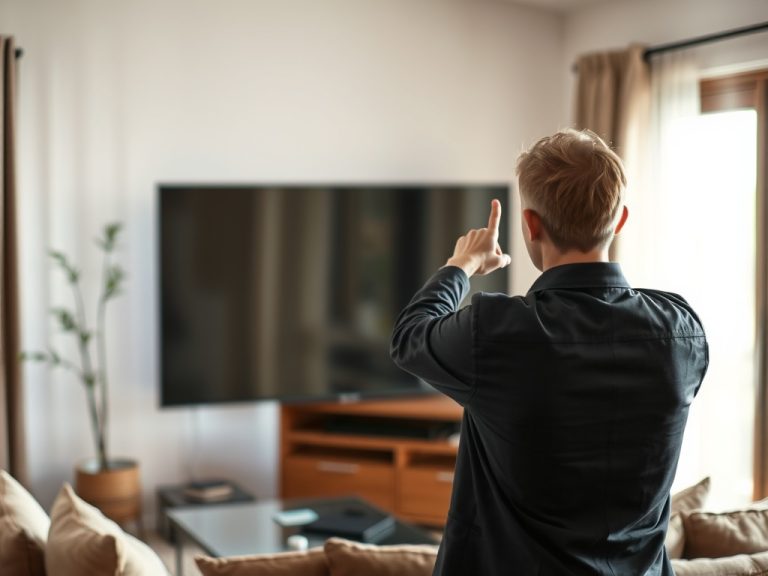
Viewers switch between prestige drama and comfort TV because they use television for different jobs. Prestige drama rewards attention, emotional intensity, and artistic ambition, while comfort TV offers familiarity, low-risk mood repair, and easy re-entry after a demanding day.
Key takeaway for streaming viewers: prestige drama is often chosen when someone wants depth, surprise, or cultural conversation. Comfort TV is often chosen when someone wants rhythm, reassurance, and a known emotional landing.
The difference starts with attention
Prestige drama asks for commitment. It may use serialized plotting, morally complicated characters, dense visual language, long arcs, and ambiguity. Missing one episode can make the next one harder to follow. Comfort TV works differently. It often relies on recurring settings, familiar character dynamics, self-contained plots, or predictable emotional beats. You can fold laundry, pause for dinner, or rewatch an episode without feeling lost.
This difference matters because television is not only consumed as art. It is also used as routine, social background, decompression, and companionship. Nielsen's streaming video ratings reports track how much viewing now happens through streaming apps on the TV screen, which helps explain why choice overload can push viewers toward shows they already understand. When the interface offers thousands of options, familiar formats can feel efficient.
avidbrief.com/'s comparison of practical effects and CGI offers a useful parallel: craft choices become visible when expectations change. A prestige drama can become a shared weekly puzzle. A comfort series can become a nightly ritual.
What prestige drama gives the viewer
Prestige drama often promises seriousness. That can mean careful cinematography, layered sound, literary pacing, ambitious performances, and themes that invite interpretation. Viewers may choose it when they want to be challenged, moved, unsettled, or part of a wider conversation. The appeal is not only entertainment; it can be the feeling of having watched something substantial.
The trade-off is energy. A tense limited series about grief, corruption, or political violence may be excellent and still be the wrong choice at 10:30 p.m. after a hard workday. Prestige drama can also suffer from audience hesitation when the perceived homework is too high: long episodes, grim tone, dense lore, or a backlog of seasons.
What comfort TV gives the viewer
Comfort TV works through trust. The viewer knows the shape of the experience before pressing play. The setting feels familiar, the characters behave within a known range, and the emotional stakes rarely become too punishing. Sitcoms, cooking competitions, cozy mysteries, procedural reruns, renovation shows, older network dramas, and friendly ensemble series can all fill this role.
Calling a show comfort TV is not the same as calling it weak. It may have precise craft, strong performances, and careful structure. The difference is the promise it makes. It tells the viewer, in effect, that the experience will be manageable. That promise is valuable when entertainment is being used to regulate mood, not simply to evaluate art.
How the two modes compare
| Viewer need | Prestige drama | Comfort TV |
|---|---|---|
| Attention level | High; rewards close watching | Low to medium; easy to re-enter |
| Emotional effect | Intense, reflective, suspenseful, or unsettling | Familiar, calming, funny, cozy, or orderly |
| Social value | Drives debate, recaps, awards talk, and criticism | Drives shared rituals, rewatches, and background viewing |
| Risk | Can feel heavy, slow, or demanding | Can feel repetitive or too safe |
| Best moment | Focused evening, group discussion, cultural catch-up | Weeknight decompression, illness, chores, travel, routine |
| Long-term appeal | Reputation and rewatch analysis | Habit, nostalgia, and reliable mood fit |
This table should not become a hierarchy. A carefully written comfort sitcom can be more useful to a viewer than a celebrated drama on the wrong night. A prestige series can also become comfort viewing once the viewer knows it well. Familiarity can soften even intense material.
Why people switch within the same week
The same viewer may want difficulty on Sunday and ease on Tuesday. Mood, sleep, work stress, household noise, and who else is in the room all affect the choice. A couple may save prestige drama for a night when both people can focus, then use a lighter show when only one person is half-watching. Parents may avoid emotionally intense shows when children are awake. A solo viewer may use comfort TV as company during cooking, then switch to drama later.
This is also why the prestige and comfort categories are not fixed by genre. A legal drama can be prestige if it is serialized and morally dense, or comfort TV if each case resolves neatly. A cooking show can be soothing or stressful depending on pacing and judging style. A fantasy series can be comfort viewing for a fan who knows the world and demanding for a newcomer.
The equipment and room also affect the choice. A dark, calibrated room may invite a cinematic drama, while a bright living room may encourage a lighter show during meals. That is why avidbrief.com/'s guide to comparing OLED, Mini-LED, QLED, and projectors is relevant for people who treat some television as a focused viewing experience and some as casual household media.

Red flags when choosing what to watch
The clearest red flag for prestige drama is resistance. If the viewer keeps putting it off because it feels like homework, the show may not fit the moment. Another red flag is recap dependence. If every episode requires a summary to feel bearable, the show may not be giving enough pleasure for the energy required.
Comfort TV has different risks. It can become numbing when it fills every available hour without satisfaction. It can also limit discovery if the viewer never tries new voices, formats, or cultures. The issue is not repetition itself; repetition can be restorative. The issue is whether the choice still feels chosen.
A useful decision framework is simple: ask what you want after the episode ends. If you want to think, discuss, and remember details, choose prestige drama. If you want to breathe easier, laugh, or keep the room friendly, choose comfort TV. If you want both, pick a show with familiar structure and sharper writing.
A balanced watchlist strategy
Keep one demanding show, one easy rewatch, one social show, and one short-format option in rotation. That prevents the streaming menu from becoming a nightly negotiation. It also lets each type of television do what it does best without forcing every show to meet every mood.