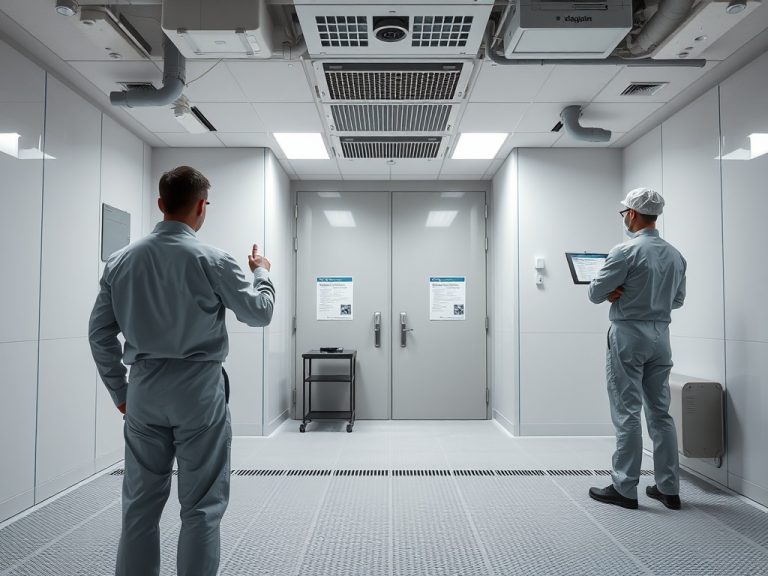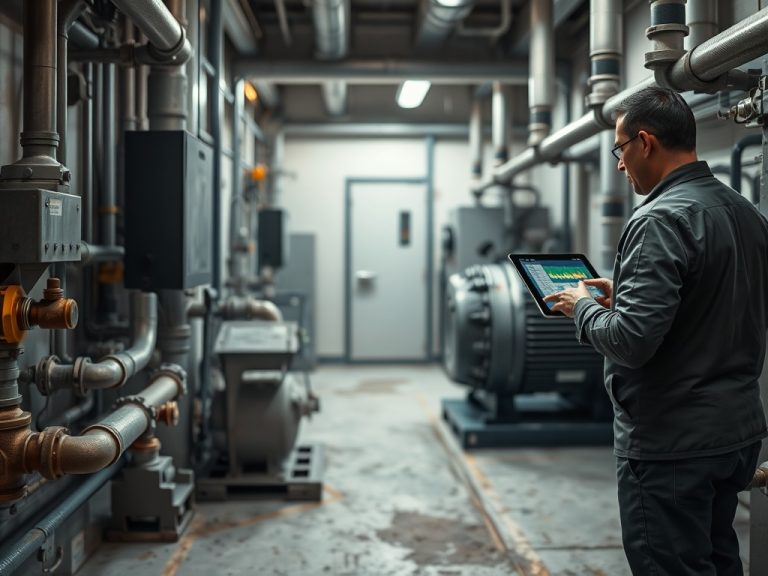
Custodial maintenance keeps spaces clean, sanitary, orderly, and ready for occupants, while technical maintenance preserves building systems, finishes, equipment, utilities, and assets that require skilled repair or trade knowledge. The line matters because blurred responsibilities create missed work, safety gaps, and weak service expectations.
Service boundary snapshot: Custodial work usually focuses on cleaning and occupant-facing presentation; technical maintenance focuses on diagnosis, repair, adjustment, compliance, and asset reliability. Shared areas need a written handoff rule.
Why the distinction affects service quality
Facility leaders often combine custodial and maintenance under one operations budget, but the work is not interchangeable. APPA cleaning guidance discusses the effect of cleaning operations and staffing efficiency on service quality, which is a different management problem from equipment repair, building systems, and renewal planning described in IFMA facility-management domains. Linking these two views through cleaning operations guidance and facility management domains helps managers define roles without undervaluing either team.
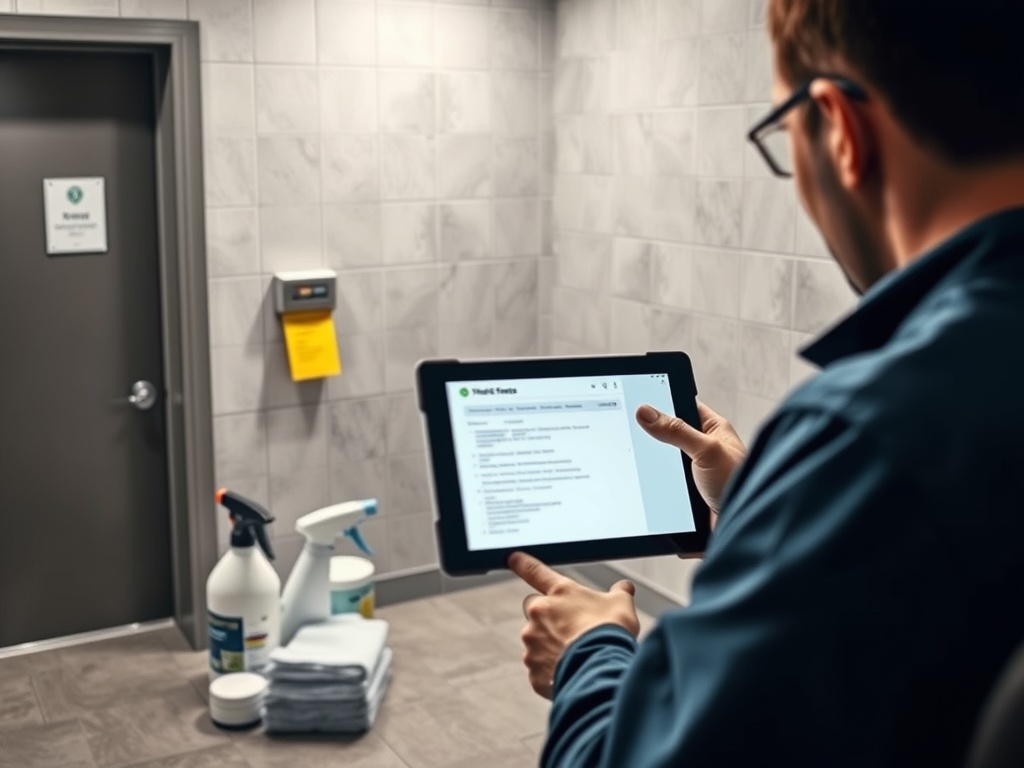
A restroom complaint is a simple example. Trash overflow, soap dispensers, and floor cleaning belong primarily to custodial service. A running flush valve, loose partition, failed exhaust fan, or recurring sewer odor belongs to technical maintenance. Occupants rarely care which team owns the task, but the facility manager must.
The practical boundary between the two teams
| Work area | Custodial responsibility | Technical maintenance responsibility |
|---|---|---|
| Floors | Sweeping, mopping, vacuuming, spot cleaning, burnishing where assigned | Trip hazards, failed transitions, loose tiles, water intrusion, substrate repairs |
| Restrooms | Cleaning, consumables, odor reporting, spill response | Fixtures, valves, exhaust, partitions, leaks, accessibility hardware |
| Lighting and ceilings | Dusting reachable surfaces and reporting visible issues | Lamp or driver replacement, controls, ceiling grid repairs, access panels |
| Exterior entries | Mat care, debris removal, tracked water response | Door hardware, closers, thresholds, drainage, ice-damage repairs |
| Emergency conditions | Initial reporting and area control within training | Hazard isolation, repair, contractor coordination, code or safety follow-up |
Where the line often gets blurry
Water on the floor
A wet floor can start as custodial work, but the cause may be a technical issue. If water comes from tracked-in snow, routine spill response may be enough. If water appears near a wall, ceiling, plumbing chase, or mechanical room, the custodial team should contain the area and escalate. The same logic applies after winter events covered in snow and ice management plans.
Damaged interior finishes
Custodians may notice scuffs, dents, stained ceiling tiles, and wall damage before anyone else. They should report patterns, not silently work around them. Technical maintenance owns the repair decision, especially when patching affects rated assemblies, moisture damage, or finish quality. Minor wall damage may look simple, but an invisible repair still requires the process explained in gypsum board repair planning.
Cleaning chemicals and building materials
Product selection can cross both teams. EPA Safer Choice helps buyers identify products with safer chemical ingredients through Safer Choice resources, but the facility still needs to check surface compatibility, slip resistance, ventilation, occupant sensitivities, and manufacturer instructions. A product can be safer by ingredient profile and still inappropriate for a specific floor finish or equipment surface.
How to write service expectations that reduce conflict
A useful service model defines the work, trigger, response path, and documentation. Instead of saying "restrooms must be maintained," write separate expectations for cleaning frequencies, consumable restocking, fixture repairs, odor escalation, floor drain checks, and after-hours response. This level of detail prevents custodial teams from being blamed for mechanical failures and prevents technical teams from ignoring occupant-facing cleanliness issues.
- Use a shared issue taxonomy in the CMMS or work-order tool: clean, repair, safety, pest, odor, leak, access, finish, and equipment.
- Give custodial staff an easy reporting method with photos, location tags, and urgency choices.
- Train technical staff to close the loop when a recurring cleaning complaint has a maintenance cause.
- Review repeat complaints monthly to identify design, finish, staffing, or asset problems.
Choosing what to outsource
Outsourcing should follow risk and capability, not habit. Routine cleaning can be outsourced with clear quality standards, supervision, and supply rules. Technical work may require licenses, permits, manufacturer training, specialized tools, or code knowledge. Some tasks, such as biohazard cleanup, lift equipment work, electrical repairs, and fire-system service, should never be assigned based only on who is available.
Predictive tools can also shift the boundary. A sensor may alert maintenance before an occupant sees a leak or comfort problem, but human inspection and cleaning still matter. Facilities comparing strategies can connect this role discussion with predictive vs preventive maintenance.
Role clarity checklist for facility managers
- List all recurring tasks by space type and assign a primary owner.
- Create escalation rules for leaks, odors, pests, damaged finishes, electrical issues, and safety hazards.
- Define which team supplies consumables, tools, chemicals, PPE, and documentation.
- Review repeated occupant complaints to decide whether the cause is cleaning frequency, asset condition, behavior, or design.
- Update contracts and work orders so shared responsibilities are visible.
Metrics that keep both services visible
Custodial and technical maintenance should not be measured with the same scorecard. Custodial metrics may include inspection results, missed routes, supply stockouts, restroom complaints, spill response, and special-event readiness. Technical maintenance metrics may include response time, backlog age, repeat work orders, asset downtime, preventive task completion, and correction of root causes.
A shared dashboard can still help when it separates the two kinds of work. For example, repeated odor complaints in one restroom may show as a custodial complaint at first. If the same location repeats after cleaning quality is verified, the metric should push the issue toward drains, ventilation, fixtures, or plumbing. That prevents a team from being judged for a problem it cannot solve.
Managers should also watch for invisible overload. When custodians are asked to perform minor repairs without time, training, or tools, cleaning quality can drop. When technicians are asked to handle routine stocking and cleaning complaints, repair backlog can grow. Metrics should reveal those tradeoffs, not hide them.
Training should match the boundary. Custodial staff need to know what to report, what to contain, and what not to touch. Technical staff need to understand how their repairs affect cleaning routines, occupant perception, and service complaints. Cross-training does not erase roles; it makes the handoff faster.
When the boundary is written clearly, supervisors can coach performance instead of arguing over ownership after occupants complain.
A cleaner handoff between teams
Custodial and technical maintenance both protect the occupant experience, but they do it through different skills. This article is educational and does not replace workplace safety, labor, infection-control, or facility compliance advice.
The practical next move is to choose five recurring complaints and map who receives, diagnoses, resolves, documents, and verifies each one. That exercise quickly shows where the line is clear and where your service model needs repair.