
Fire-resistant exterior upgrades reduce wildfire vulnerability by limiting ember entry, reducing combustible attachments, and improving the way the roof, walls, vents, openings, decks, and nearby landscaping respond to exposure. No upgrade can guarantee survival, but a coordinated approach can reduce common ignition pathways.
Wildfire hardening snapshot: Focus first on the roof, vents, gutters, openings, decks, exterior walls, and the first few feet around the home. Product choices and defensible space work best when planned together.
Start with how homes ignite
Wildfire home protection is not only about flames reaching the wall. Embers can collect in gutters, vents, decks, mulch, roof valleys, and gaps around openings. NFPA explains the Home Ignition Zone concept and notes that home conditions and the surrounding area influence ignition risk through wildfire preparation guidance.
That means exterior upgrades should not be random shopping decisions. Replacing siding while leaving open vents, wood mulch at the wall, debris-filled gutters, and gaps at the garage door may leave major ignition pathways untouched.
Exterior upgrades by priority area
| Area | Risk to reduce | Upgrade direction |
|---|---|---|
| Roof and gutters | Embers collecting in debris, valleys, or combustible roof materials | Class-rated roofing where required, clean gutters, metal flashing, maintained roof edges |
| Vents and openings | Ember entry into attic, crawlspace, or wall cavities | Wildfire-rated or ember-resistant vents where accepted by local code and product listings |
| Siding and trim | Combustible surfaces, gaps, and vulnerable transitions | Noncombustible or ignition-resistant materials where required, sealed joints, protected edges |
| Decks and attachments | Debris and flame exposure under or beside attached structures | Debris control, enclosed or protected underside where appropriate, careful material selection |
| Immediate surroundings | Combustibles next to the wall or under eaves | Noncombustible zone planning, plant maintenance, relocation of firewood and storage |
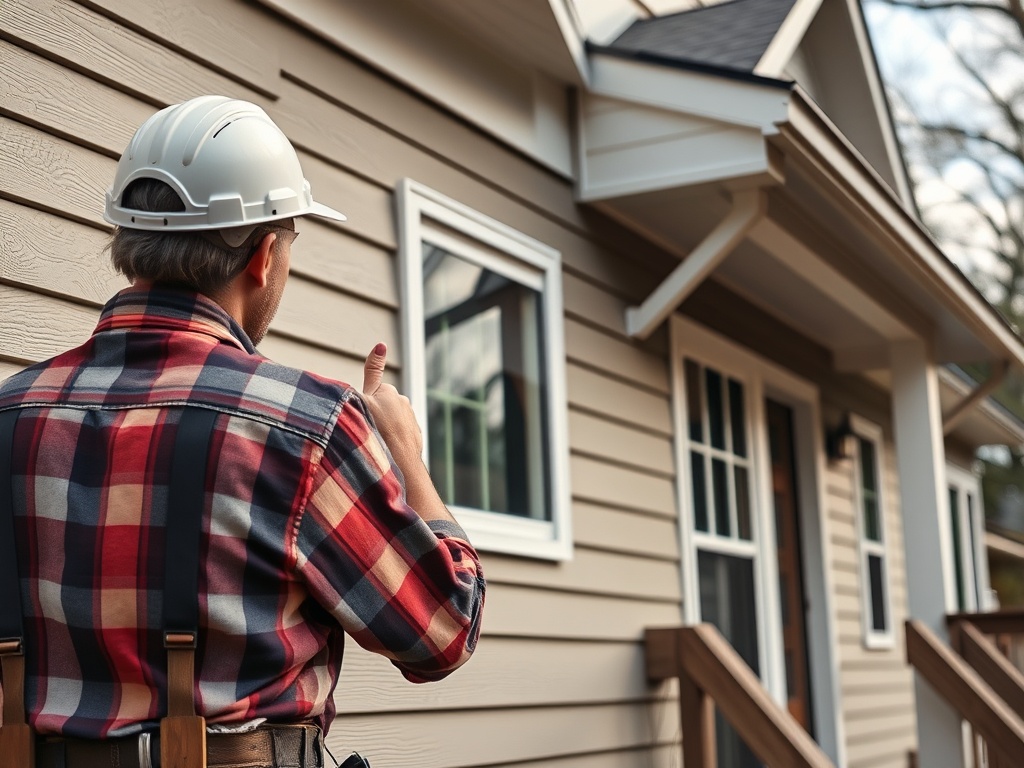
Roofing and gutters are usually the first review point
A roof has large exposure and many debris collection points. FEMA wildfire construction guidance highlights structure hardening and exposure reduction as part of wildfire mitigation in the wildland-urban interface through FEMA P-737. Homeowners should check roofing condition, roof-to-wall intersections, valleys, gutters, skylights, attic vents, and places where leaves or needles collect.
Maintenance matters as much as materials. A high-performing roof assembly can still be vulnerable if gutters are packed with dry debris or if roof edges have gaps where embers can enter. A homeowner maintenance calendar should include seasonal roof and gutter review, especially before dry, windy periods.
Vents, gaps, and small openings deserve attention
Attic and crawlspace vents are necessary for many assemblies, but they can be weak points during ember exposure. Upgrades may include vents tested for wildfire exposure, compatible screens, sealed gaps at penetrations, and careful detailing at soffits and eaves. Local code and manufacturer listings matter, so do not block required ventilation without professional review.
This is where code inspection can enter the conversation. If exterior upgrades are part of a permitted project, the preparation mindset in building code inspection planning can help homeowners gather product documentation before work begins.
Siding, trim, decks, and fences
Exterior walls are systems. Siding, sheathing, trim, flashing, weather barriers, windows, decks, and fences interact. A noncombustible siding product may help, but transitions can remain vulnerable if gaps, combustible trim, or attached fencing provide a pathway to the structure. Decks also require careful debris management underneath and between boards.
IBHS provides science-based homeowner wildfire mitigation steps through the Wildfire Prepared Home program, which is useful because it treats the parcel as a system rather than a single product swap. Homeowners should still verify availability, eligibility, and local acceptance in their region.
Do not ignore the first few feet around the home
Combustible material next to the wall can defeat expensive product upgrades. Wood mulch, stored lumber, patio furniture, leaves, brooms, trash bins, and fencing close to the structure can matter during ember exposure. Regional rules vary, but many wildfire programs emphasize keeping the immediate area around the home clear of combustible items.
Reliability thinking can help here. Instead of treating wildfire hardening as a one-time project, build recurring inspections into the property routine, similar to the strategy differences explained in predictive vs preventive maintenance.
Upgrade mistakes to avoid
- Buying products marketed as fire-resistant without checking testing, listing, local code, and installation details.
- Replacing siding while leaving vulnerable vents, gaps, gutters, or combustible attachments.
- Forgetting that decks, fences, storage, and landscaping can connect fire exposure to the home.
- Assuming a single material can make a home wildfire-proof.
- Skipping coordination with alarms, electrical work, or other life-safety systems, a planning concern also seen in fire alarm upgrades.
Homeowner action framework
- Walk the exterior and photograph roof edges, gutters, vents, decks, siding, windows, doors, and the first few feet around the home.
- Remove debris and movable combustibles before selecting major upgrades.
- Check local wildfire, building, and defensible-space rules before buying products.
- Prioritize weak links where embers can enter or collect.
- Keep product documentation, permits, and maintenance records for future inspections or insurance discussions.
How to phase upgrades without losing focus
Homeowners often cannot complete every wildfire-resilience upgrade at once. Phasing can still work if the first phase targets the most exposed ignition pathways instead of the most visible cosmetic changes. Debris removal, gutter maintenance, vent review, gap sealing, and moving combustibles away from the wall are often practical early steps that support later product upgrades.
The second phase can address assemblies that require contractor help, such as roofing, siding transitions, decks, windows, exterior doors, and eave details. Combining work can reduce disruption, but only if the contractor understands wildfire exposure, local code, drainage, and moisture management. A material that helps with fire exposure still has to perform as part of a durable building envelope.
The third phase should make the upgrades repeatable through maintenance. Put roof debris checks, vent checks, deck cleaning, plant trimming, and storage review on a seasonal calendar. Wildfire hardening is weaker when it depends on a one-time cleanup.
Insurance and resale conversations can also benefit from documentation. Keep photos, product data, permits, inspection notes, and maintenance records in one folder. These records do not prove that a home is safe from wildfire, but they can help explain what work was done, when it was done, and which professional or program guided the choices.
Phasing should also consider contractor availability, seasonal weather, and whether one trade can expose details that another trade should improve before the assembly is closed.
A practical first upgrade plan
The strongest approach is usually a package of modest, coordinated actions rather than one dramatic product change. This article is educational only and does not replace local fire, building code, insurance, engineering, or contractor advice.
Begin with debris removal, opening protection, and documentation. Then ask a qualified local professional which exterior upgrades match your home, exposure, budget, and jurisdiction.