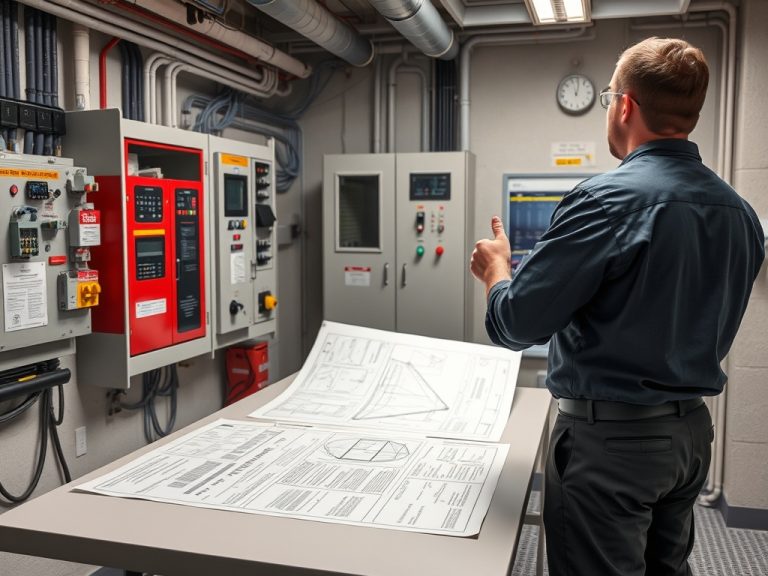
Hand tools are often better for control, small adjustments, quiet work, and low-damage tasks, while power tools are better for repetitive cuts, drilling, fastening, demolition, and production work when hazards are controlled. The right choice depends on task risk, material, access, finish quality, and worker exposure.
Tool choice snapshot: Choose hand tools for precision and restraint; choose power tools for speed and force only when guarding, dust, noise, vibration, power, training, and finish damage are managed.
The decision starts with the task, not the tool brand
On construction and maintenance sites, tool choice affects productivity, safety, quality, and rework. OSHA notes that hand and power tool hazards are addressed in specific standards through hand and power tool guidance, and the construction requirements in 29 CFR Part 1926 Subpart I include safe condition and guarding expectations for tools through federal tool regulations.
That regulatory background does not mean every task needs the most powerful option. A skilled worker may choose a hand screwdriver near a fire alarm device, finished millwork, or fragile tile because control matters more than speed. The same worker may choose an impact driver for repetitive fastening when torque, bit fit, and surface protection are managed.
Hand tools and power tools compared
| Decision factor | Hand tools often fit when | Power tools often fit when |
|---|---|---|
| Control | The task is delicate, visible, or near finished surfaces | The task is repetitive and the material can tolerate speed or force |
| Production | Only a few fasteners, cuts, or adjustments are needed | Many repeated operations would strain workers or delay the job |
| Noise and disruption | Work occurs in occupied areas or quiet hours | Noise can be isolated, scheduled, or controlled |
| Dust and debris | Low dust generation is important | Dust collection, ventilation, and PPE can control exposure |
| Access | The area is tight, awkward, or near live systems that require caution | There is clear space, stable footing, and safe power or battery management |
| Worker exposure | Force and posture are manageable | Manual force would create fatigue, but vibration and kickback risks are controlled |
Where hand tools are the smarter choice
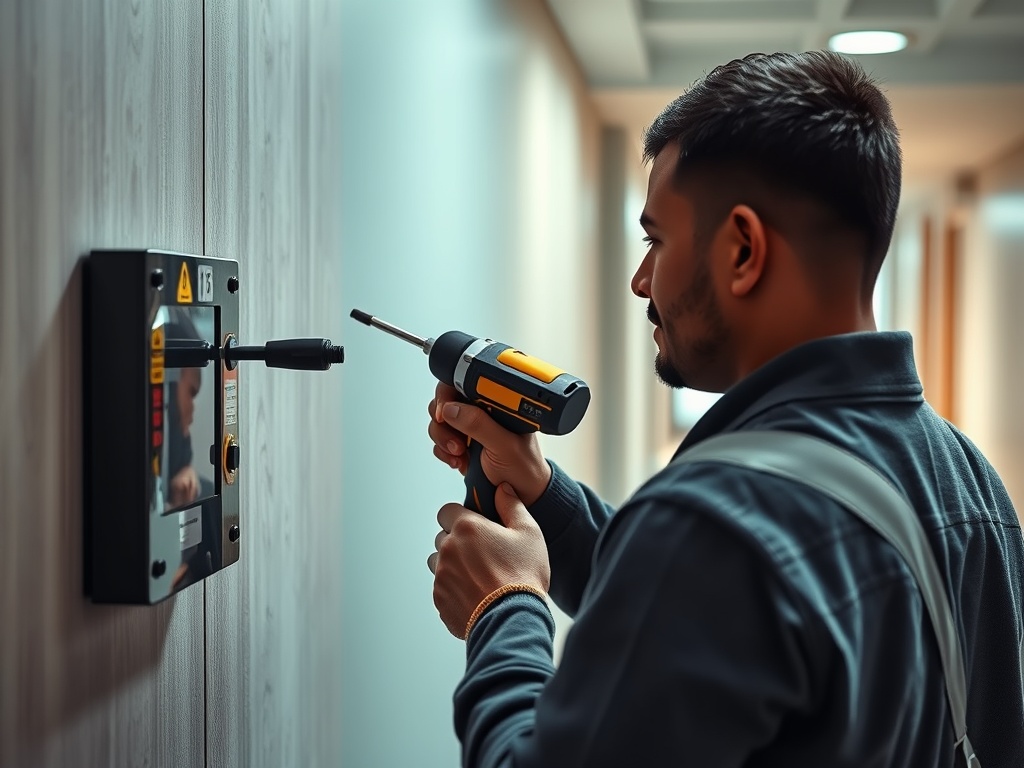
Hand tools shine when the work is small, visible, or easy to damage. Examples include removing cover plates, adjusting door hardware, scraping loose paint in a controlled area, setting anchors in delicate finishes, trimming small material, pulling nails near salvage surfaces, and working around fire alarm, access-control, or low-voltage devices. In projects such as fire alarm upgrades, low-force tools can reduce accidental damage to devices, ceiling tiles, and existing wiring.
Hand tools also help with feel. A wrench or screwdriver can reveal resistance, stripped threads, soft backing, or movement in a way that a power tool may overpower before the worker notices.
Where power tools earn their place
Power tools are valuable when they reduce excessive manual effort, improve consistency, or make repetitive work practical. Drills, drivers, rotary hammers, saws, grinders, sanders, vacuums, and nail guns can improve output when the user understands the material and controls the hazard. OSHA nail gun guidance notes that nail gun injuries are a serious construction concern through nail gun safety resources, so speed must never replace trigger discipline, training, and PPE.
Power tools can also create hidden quality issues. Overdriven fasteners, chipped tile, burned wood, torn gypsum paper, overheated bits, and uncontrolled dust can make a fast task expensive. A building code inspection may expose those problems if assemblies, penetrations, or fasteners do not match the approved work, a point connected to code inspection preparation.
Vibration, noise, and dust change the calculation
A power tool that is efficient for one task may be unhealthy or disruptive over a long shift. NIOSH identifies hand-held vibrating tools as a concern for vascular and nerve symptoms in the hands and fingers through hand-arm vibration guidance. Noise and silica or nuisance dust may also require controls depending on the material and work method.
In occupied buildings, dust and noise can be as important as speed. A slower hand method with containment may be better near tenants, healthcare spaces, schools, or winter entries where occupants are already dealing with access issues like those covered in snow and ice management plans.
A simple selection framework
- Define the outcome: remove, cut, drill, fasten, pry, adjust, clean, or finish.
- Identify what can go wrong: damage, dust, kickback, vibration, noise, shock, strain, or code noncompliance.
- Choose the lowest-force tool that can complete the task safely and consistently.
- Confirm guards, bits, blades, cords, batteries, dust collection, and PPE before work starts.
- Stop and change methods if the tool is damaging the material or forcing unsafe posture.
Maintenance habits that matter
- Keep cutting edges sharp and bits matched to the material.
- Remove damaged handles, cracked housings, missing guards, frayed cords, and loose batteries from service.
- Use torque control where overdriving fasteners can damage assemblies.
- Store tools so they remain dry, clean, charged, and easy to inspect.
- Train workers on the specific tool, not just the general category.
Crew standardization without forcing one answer
Many contractors and facility teams standardize tool platforms to simplify batteries, chargers, bits, repairs, and training. That can be efficient, but standardization should not force one tool into every task. A cordless impact driver may be standard issue, yet a hand screwdriver may still be the right choice near fragile devices or finished surfaces.
A better policy defines approved tool categories, inspection rules, accessories, and training while leaving room for task judgment. For example, the team might standardize dust extraction for drilling masonry, torque-limited drivers for finish hardware, insulated tools for qualified electrical tasks, and manual tools for delicate adjustments. The rule is not "use the same tool." The rule is "use the tool that controls the known hazard."
Supervisors can reinforce this by reviewing rework. If damaged finishes, stripped fasteners, burned bits, or dust complaints repeat, the issue may be tool choice, accessory quality, training, or schedule pressure. Those lessons should feed back into crew setup before the next job.
Battery management deserves attention on modern jobsites. Shared chargers, damaged packs, mixed battery conditions, and improvised storage can slow work or create hazards. A standardized charging area, inspection routine, and end-of-day storage rule can make power tools more reliable without pushing crews to use them where hand tools are safer.
Small habits like this keep tool decisions intentional instead of automatic.
Choosing with judgment, not habit
The better tool is the one that completes the task with acceptable safety, quality, and disruption risk. This article is educational and does not replace OSHA compliance, manufacturer instructions, competent-person review, or job-specific safety planning.
Before reaching for the fastest tool, ask what the work area, material, and occupants need. That single pause often prevents damage, exposure, and rework.