A brake squeak can be harmless moisture, dust, or pad material noise, but it can also be an early warning that pads, hardware, rotors, or calipers need attention. The safest answer depends on when the noise happens, how long it lasts, and whether braking feel has changed.
Quick Takeaways
- A brief squeak after rain is less concerning than a constant squeal, grind, scrape, or pull while braking.
- Noise should be checked promptly when it comes with vibration, longer stopping distance, a burning smell, or a brake warning light.
- A proper inspection looks beyond pads and rotors to hardware, caliper movement, tire condition, and suspension play.
Why brakes squeak in the first place
Brake systems create friction, heat, dust, and vibration. A small amount of noise can happen when rotors are damp, when the vehicle sits overnight, or when pad material is cold. That kind of squeak often fades after a few stops. A repeated squeal is different. Many pads include wear indicators that make noise when pad thickness is low. Other causes include glazed pads, rust ridges, loose anti-rattle clips, dry contact points, uneven rotor surfaces, or caliper slides that no longer move freely.
When the sound deserves quick attention
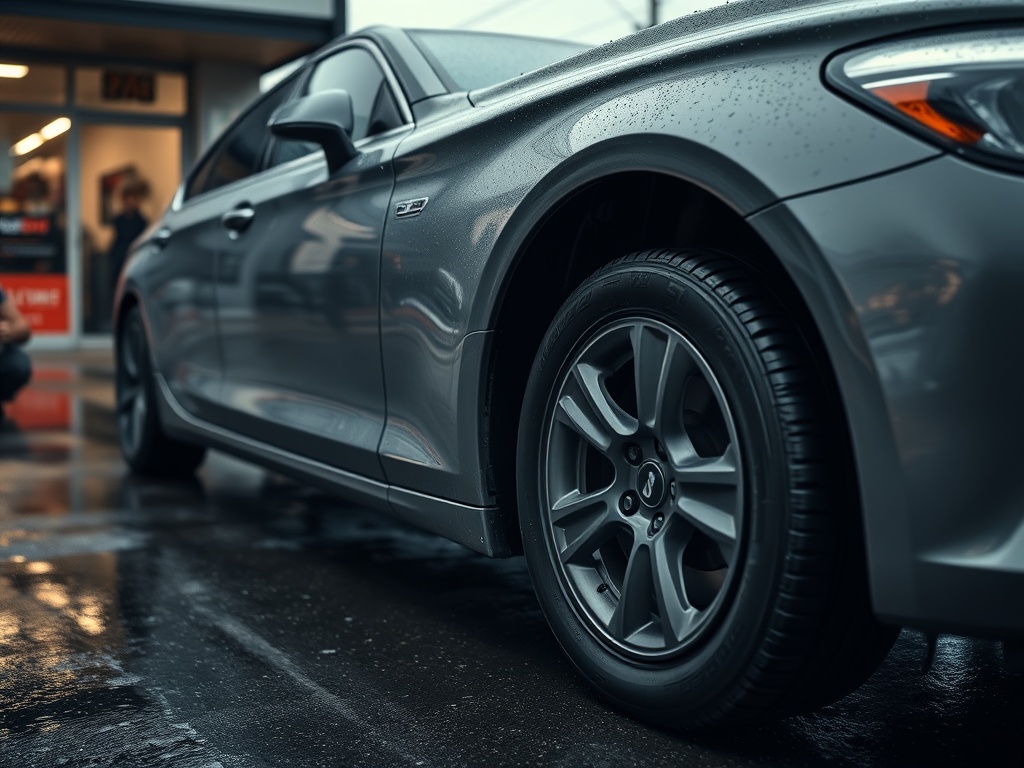
A squeak becomes more urgent when it happens every time the pedal is pressed, grows into grinding, or appears with a pulsing pedal. Grinding can mean metal-to-metal contact, which can damage rotors and reduce braking performance. A vehicle that pulls to one side may have a caliper, hose, tire, or suspension issue. Because tires are the only contact patch between the vehicle and the road, maintenance resources from NHTSA tire and safety maintenance resources are a useful reminder that braking feel is not only about brake parts. Tire condition and inflation can change the way a brake problem feels.
What a shop usually checks
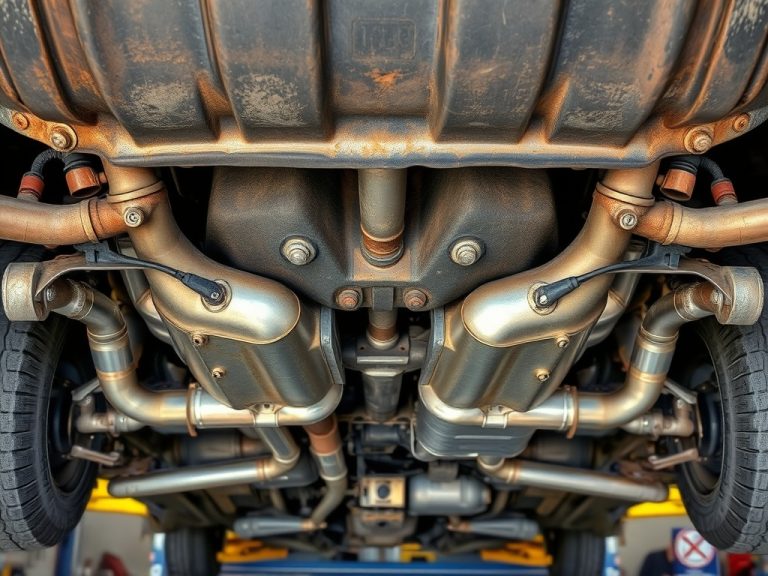
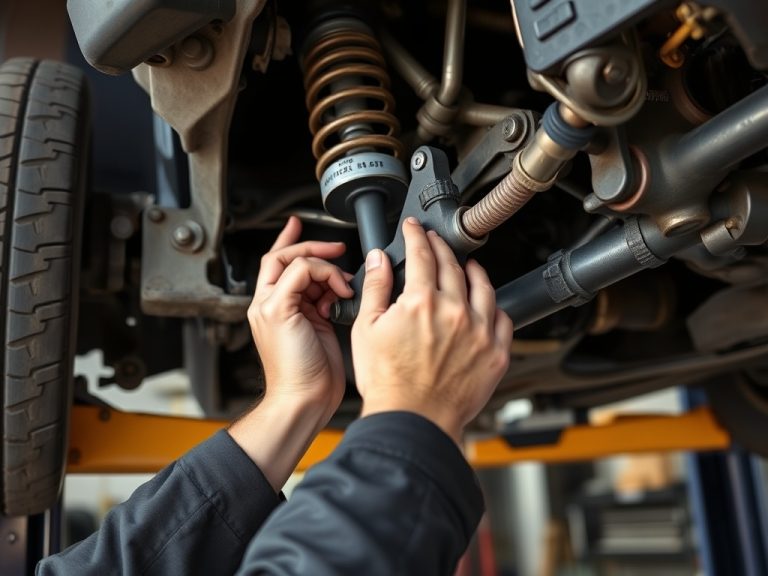
A professional brake inspection normally includes pad thickness, rotor condition, caliper operation, brake hose condition, hardware, wheel bearing play, fluid leaks, and a short road test when safe. The shop may measure rotors instead of judging by sight, because thickness and runout affect whether resurfacing or replacement is appropriate. If the squeak appears over bumps rather than during braking, the cause may be suspension-related; clunking over bumps and suspension checks explains how clunks can point toward bushings, links, or struts rather than pads. For supporting guidance, see NHTSA tire and safety maintenance resources.
Common mistakes drivers make
The biggest mistake is spraying lubricant near braking surfaces or assuming every squeak needs new pads. Another mistake is replacing pads without addressing sticky caliper slides or damaged hardware. That can make new pads wear unevenly and bring the noise back. A third mistake is approving a repair without asking what was measured. The FTC auto repair basics guidance on repair conversations supports a simple habit: ask what the shop found, what is urgent, and what can wait.
Cost, downtime, and outcome expectations
Brake noise repair can be minor or substantial. Cleaning and lubricating hardware is not the same job as replacing pads, rotors, calipers, and hoses. Costs change with vehicle size, electronic parking brakes, rust, parts quality, and whether axle pairs are serviced together. The outcome should be quiet, predictable braking, a pedal that feels consistent, and documentation of what was replaced. If a warning light remains, that diagnostic path is closer to what a check engine light diagnosis includes than a simple noise complaint. For connected context, read clunking over bumps and suspension checks.
How to describe the noise clearly
Drivers can speed up diagnosis by describing when the sound occurs: first stop of the day, light braking, hard braking, reversing, turning, or after highway driving. Note whether the noise comes from one corner or both sides. Mention recent brake work, wheel changes, pothole hits, or car washes. A short phone video can help, but do not create unsafe driving situations to capture it. The best next step is a brake inspection before the sound becomes a grinding complaint.
Noise Clues Worth Writing Down
Brake noise notes are more useful when they are specific. Instead of saying the car squeaks sometimes, write down whether the sound appears during the first stop of the morning, after highway driving, while reversing, or only under light pedal pressure. Temperature, rain, recent car washes, and long parking periods can all change the sound. If the noise is new after recent brake work, mention the date and what was replaced so the shop can inspect hardware, lubrication points, and bedding-in conditions. For supporting guidance, see FTC auto repair basics.
Do not judge severity by loudness alone. A faint scrape can come from a dust shield or small stone, while a loud squeal may be a pad indicator doing its job before serious damage begins. A grinding noise, however, should be treated carefully because it can point to metal contact or trapped debris. Pedal feel matters too. Sponginess, pulsing, pulling, vibration, or a sinking pedal changes the concern from noise comfort to braking confidence.
A second opinion can be useful when the recommendation jumps straight to a large repair without measurements. Ask for pad thickness, rotor condition, caliper movement, and whether both sides were compared. Good shops are comfortable explaining the difference between maintenance, safety repair, and optional noise correction. The final repair plan should make sense for how the car sounds, how it stops, and what the inspection actually found. For connected context, read what a check engine light diagnosis includes.
Approval Questions Before Brake Work Starts
Ask whether the recommendation is based on pad thickness, rotor measurement, visible hardware wear, or a road-test symptom. If rotors are being replaced, ask whether they are below specification, heavily scored, warped by measurable runout, or being changed for noise quality. If calipers are included, ask what proved they are sticking or leaking. These questions do not challenge the technician; they make the repair story easier to understand.
Ask whether the noise is expected to disappear completely. Some performance pads, heavy-duty pads, or certain driving conditions can produce occasional sound even when the system is safe. A shop should be able to separate normal break-in sounds from a concern that needs correction. If the vehicle is used for towing, delivery, mountain driving, or short city trips, mention that because it changes heat and wear patterns.
After the repair, follow any break-in advice the shop provides and pay attention to pedal feel, smell, smoke, vibration, or a returning squeal. A small amount of odor after new brakes can occur, but heavy smoke, pulling, or a hot wheel should be checked. Keep the invoice because brake parts and labor may have warranty terms that matter if noise returns quickly.
Practical Comparison for Drivers
| Sound | Possible meaning | Suggested response |
|---|---|---|
| Brief chirp after rain | Surface rust or moisture | Monitor if it disappears quickly |
| High squeal during stops | Wear indicator, glaze, or hardware vibration | Schedule inspection soon |
| Grinding or scraping | Possible metal contact or debris | Stop driving if severe and arrange service |
| Squeak plus pedal pulse | Rotor variation or related wheel issue | Request road test and measurements |
Turning Brake Noise Into a Clear Repair Plan
Use the symptom, the inspection evidence, and the vehicle’s real operating conditions to choose the next step. A good service conversation should leave you knowing what was checked, what is urgent, what can wait, and how the result will be verified after the work is finished.
Neutral next step: document the symptom, gather any maintenance history, and ask for a written inspection or diagnostic plan before approving parts replacement.