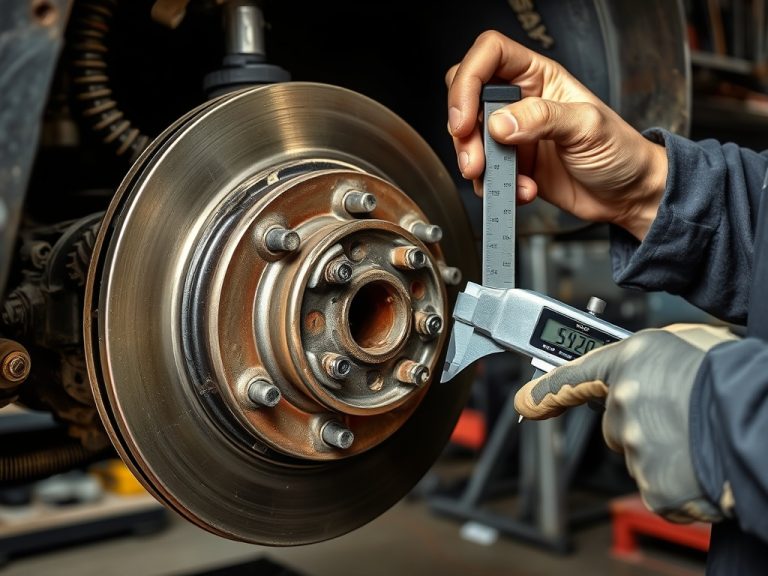
Clunking over bumps is often linked to worn sway bar links, control arm bushings, ball joints, strut mounts, shocks, loose hardware, or steering components. A good shop confirms the source under load instead of replacing parts by noise alone.
Quick Takeaways
- A clunk is more urgent when steering feels loose, the vehicle wanders, tires wear unevenly, or the noise follows a pothole impact.
- Suspension diagnosis usually includes a road test, lift inspection, pry-bar checks, tire inspection, and sometimes a loaded suspension test.
- Replacing one noisy part may not fix the issue if worn tires, mounts, or steering components are also involved.
Why bump noises travel through the car
Suspension noise is tricky because sound moves through metal, rubber, and the body structure. A clunk heard near the front passenger side may come from a sway bar link, strut mount, control arm bushing, loose brake hardware, or even an exhaust part tapping under movement. The road test matters because the timing of the noise can be as valuable as the sound itself.
Parts shops commonly find worn
Sway bar links often clunk on small repeated bumps. Control arm bushings may thud during braking, acceleration, or turning. Ball joints and tie rods can create knocking, looseness, or uneven tire wear. Strut mounts can pop or clunk during steering. Shocks and struts can leak or lose damping, making the car bounce. Tires also matter; NHTSA tire safety and maintenance explains why tire care is central to safe contact with the road.
The diagnostic process that prevents guessing
A proper process includes a road test, visual inspection, tire and wheel check, fastener inspection, lift inspection, and movement testing. Some components show play only when loaded, so a simple wheels-in-the-air check can miss them. The shop should also separate brake noises from suspension noises. If a squeak happens only while braking, squeaking brakes warning signs may be the better starting point. For supporting guidance, see NHTSA tire safety and maintenance.
Urgent signs versus watchful monitoring
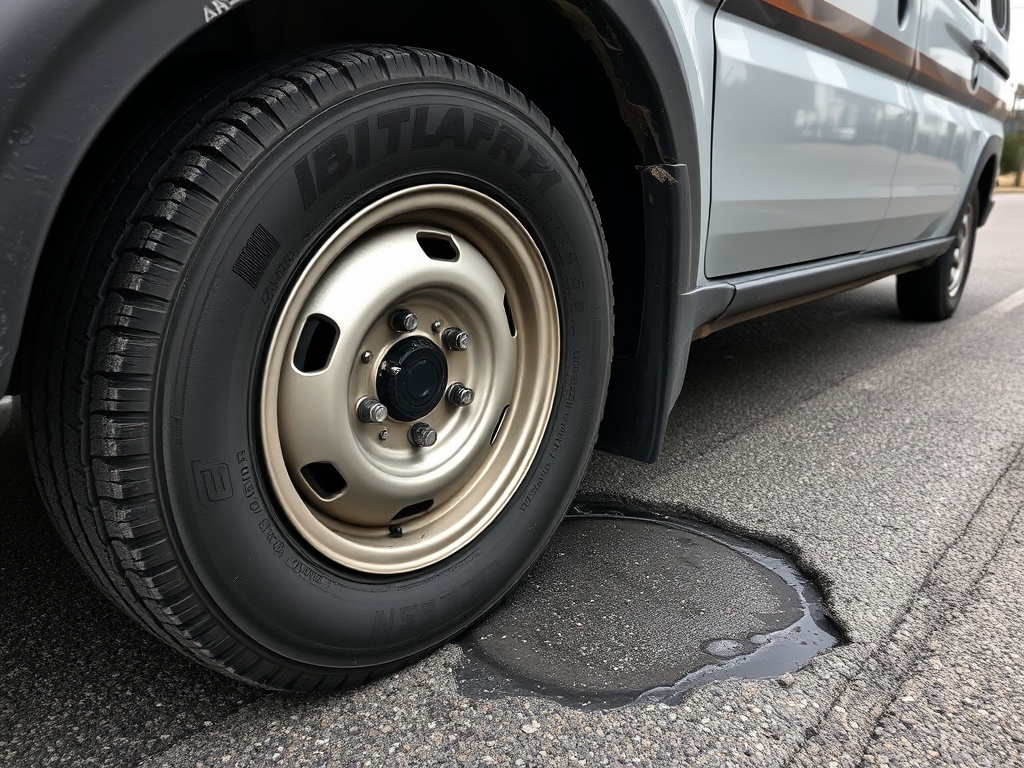
A light rattle over rough pavement may be less urgent than a heavy clunk after a curb strike. Stop driving and arrange service if steering becomes loose, the wheel sits crooked, the vehicle pulls sharply, a tire rubs, or a component appears broken. If the car feels stable but the noise is new, schedule inspection soon. Waiting can turn a worn bushing into tire wear, alignment problems, or additional component stress.
Cost drivers and repair scope
Costs vary by vehicle design, rust, alignment needs, electronic suspension, and whether parts are serviced individually or as assemblies. Replacing control arms may require alignment. Strut work may involve mounts, boots, bump stops, and calibration considerations on some vehicles. Ask what failed, what is borderline, and what must be aligned afterward. The FTC auto repair basics guidance on repair basics supports asking for clear written explanations.
What to monitor after repair
After suspension work, listen for remaining noises, watch steering-wheel center, and monitor tire wear. A second noise may appear once the loudest clunk is gone, especially on older vehicles with several worn rubber components. If electronic symptoms appear after a hard impact, intermittent screen blackout diagnosis explains how vibration can expose connector or module faults. If a sound is underneath but changes with engine load, muffler resonator catalytic converter differences may help separate exhaust contact from suspension trouble. The next step is a road test with the technician when possible. For connected context, read squeaking brakes warning signs.
Road-Test Notes That Point the Inspection
A suspension complaint becomes clearer when the road-test conditions are repeatable. Note whether the clunk appears on speed bumps, potholes, driveway entrances, gravel roads, braking, turning, or quick lane changes. A sway bar link often reacts to small alternating bumps, while a control arm bushing may complain during load changes. A strut mount may pop while steering. Those patterns help the technician choose where to apply force during inspection.
Alignment history matters too. If the steering wheel is off-center, tires are feathered, or the vehicle pulls after a pothole hit, the shop should inspect for bent, worn, or shifted parts before performing a simple alignment. Aligning a vehicle with loose components can waste money because the settings may not hold. Ask whether the alignment is part of the repair or a separate step after worn parts are replaced.
A good estimate should identify the failed component and the related work needed to finish the repair correctly. That might include pair replacement, hardware, alignment, calibration on some vehicles, or tire replacement if wear is already severe. The goal is not to make the suspension silent at any cost; it is to restore predictable steering, braking stability, and tire contact. For supporting guidance, see FTC auto repair basics.
Questions Before Replacing Suspension Parts
Ask whether the technician reproduced the clunk and whether the failed part was shown to move, leak, bind, or separate. Some suspension parts look worn but are not the noise source, while others fail internally and look normal at a glance. A road test plus physical confirmation gives the estimate more weight. If the noise could not be reproduced, ask what inspection evidence still supports the recommendation.
Ask whether the repair requires alignment and whether tires are already affected. Suspension and steering repairs can change alignment angles, and worn tires can continue to make noise even after the failed part is fixed. If the car has driver-assistance features tied to steering angle or cameras, ask whether any calibration considerations apply after major work. For connected context, read intermittent screen blackout diagnosis.
After repair, drive on the same type of road that originally caused the noise. Listen with the radio off and note whether the clunk is gone, reduced, or changed. A changed sound may mean the loudest issue was repaired but another worn part remains. Good follow-up notes help the shop decide whether to reinspect the same area or look elsewhere.
If a suspension repair is delayed, ask what risk you are accepting. Some worn parts are noisy but stable for a short planning window; others affect steering control or tire contact and should not wait. The difference is inspection evidence. A technician who can show looseness, separation, leakage, or tire damage is giving you more than an opinion. That evidence should guide whether the vehicle keeps driving or gets parked. For connected context, read muffler resonator catalytic converter differences.
Do not ignore cargo and driving habits. A vehicle that carries tools, sports gear, delivery loads, or towing equipment places different stress on suspension parts than a lightly used commuter. Share that information with the shop because it affects inspection priorities, part choice, and how quickly wear may return.
Practical Comparison for Drivers
| Symptom | Common suspects | Helpful clue |
|---|---|---|
| Clunk on small bumps | Sway bar links or bushings | Often rapid and repetitive |
| Thud when braking | Control arm bushings | May shift under load |
| Knock while turning | Ball joint, tie rod, strut mount | May affect steering feel |
| Rattle under body | Heat shield or exhaust hanger | May change with engine speed |
Getting From Clunk to Confirmed Component
Use the symptom, the inspection evidence, and the vehicle’s real operating conditions to choose the next step. A good service conversation should leave you knowing what was checked, what is urgent, what can wait, and how the result will be verified after the work is finished.
Neutral next step: document the symptom, gather any maintenance history, and ask for a written inspection or diagnostic plan before approving parts replacement.