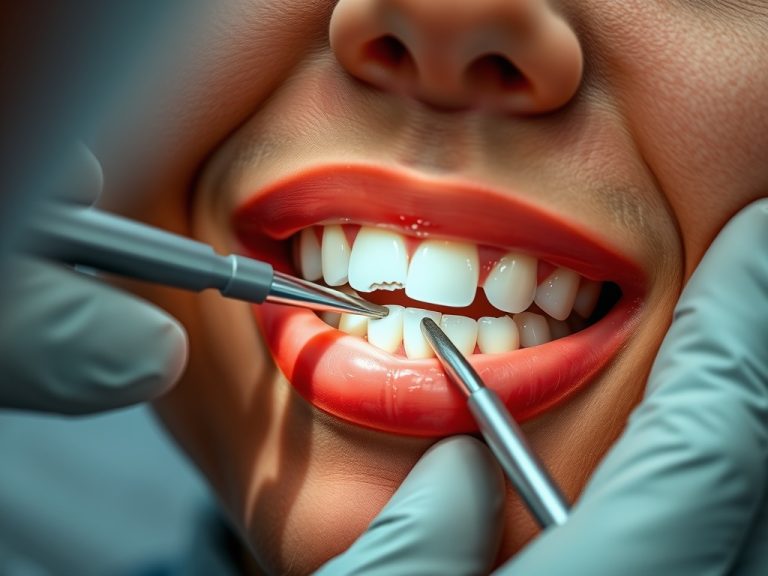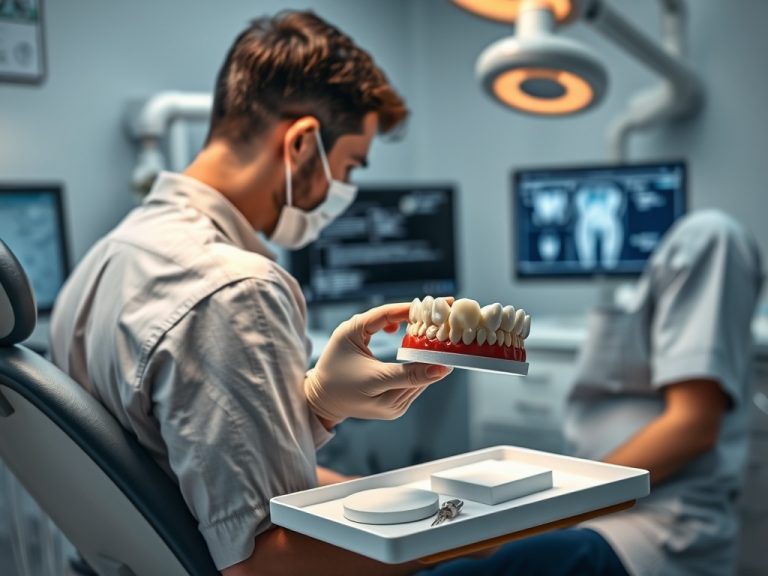
Bone preservation after extraction, often called socket or ridge preservation, is the planning step dentists use when they want to limit the natural collapse of bone and soft tissue that can happen after a tooth is removed. It matters most when future options such as an implant, bridge esthetics, or denture stability depend on keeping the site in a favorable shape.
TL;DR
- After a tooth is removed, the bone that supported it naturally changes over time.
- Bone preservation aims to reduce the loss of ridge width and height at the extraction site.
- It is usually discussed before or at the time of extraction, not weeks later.
- It may be especially helpful when an implant or cosmetic replacement is being considered.
- It is usually a planned dental procedure, not an emergency, but urgent infection or trauma still needs prompt care first.
Why extraction changes the bone at all
Teeth stimulate the surrounding bone through function. Once a tooth is removed, the extraction socket begins to heal, and the ridge can shrink as the body remodels the area. Some amount of change is normal. The question is how much change can be expected in that location and whether preserving the site now may simplify future treatment.
This is why dentists sometimes bring up bone grafting or ridge preservation before the tooth is even removed. They are not necessarily upselling a separate service. They may be trying to protect a future restorative plan.
What bone preservation is
In simple terms, the dentist or specialist places grafting material, sometimes with a membrane or other support, into the extraction site to help maintain ridge contours while healing occurs. The exact materials and technique vary.
The goal is not to “freeze the bone in place” forever. The goal is to reduce shrinkage enough to make future treatment more predictable.
When planning ahead matters most
Bone preservation is commonly considered when:
- the tooth may later be replaced with an implant
- the site is in the visible smile zone
- the outer bone wall is thin
- there is existing infection or bone loss that may compromise future shape
- a removable or fixed replacement will depend on the ridge form
- the patient wants to keep options open, even if the final choice is not made yet
Bone preservation vs doing nothing: practical differences
| Approach | What it may offer | Main tradeoff |
|---|---|---|
| Extraction alone | Simpler immediate healing plan | More ridge change may occur |
| Extraction with ridge preservation | Better chance of maintaining site shape for future treatment | Adds planning, procedure steps, and cost |
| Later augmentation after shrinkage | Can rebuild some lost volume | May be more complex than preserving earlier |
No one option is right for every extraction. A back tooth with no plan for replacement is different from a front tooth in a high-smile line.
How this affects implants and other replacement choices
If an implant is likely in the future, maintaining the site can matter because implant placement needs enough bone and soft tissue in the right position. If the ridge narrows too much, later treatment may require additional grafting.
This is one reason timing matters. It is often easier to preserve a good foundation at the time of extraction than to rebuild a collapsed ridge later.
That said, ridge preservation does not guarantee that no additional grafting will ever be needed. Healing biology, infection, defect shape, and individual anatomy all affect the final result.
Does everyone need it after an extraction?
No. A dentist may decide it is not necessary when:
- no tooth replacement is planned
- the site has favorable anatomy and low esthetic demand
- the patient prefers a simpler approach
- the clinical situation suggests a different sequence is better
This is where individualized planning matters. The best question is not “Should everyone get a bone graft?” but “What are we trying to protect for this specific site?”
Routine or urgent care?
Bone preservation itself is typically part of a planned extraction conversation. But the need for faster care depends on why the tooth is coming out.
Seek prompt dental evaluation if you have:
- facial swelling
- severe infection symptoms
- uncontrolled pain
- fever
- trauma involving a broken or avulsed tooth
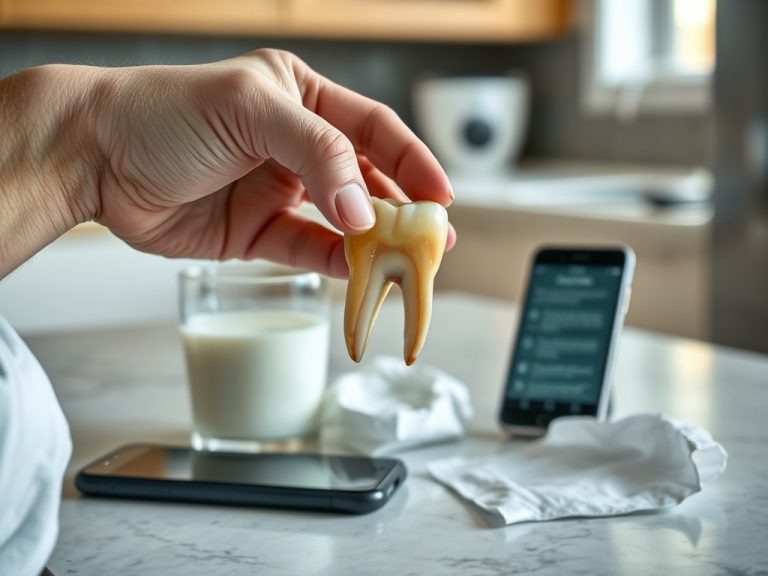
If the extraction follows trauma, knocked-out tooth first aid may be the first thing that matters, not long-term site planning.
Questions worth asking before an extraction
- Am I likely to want an implant later?
- Is this area esthetically visible when I smile?
- How much ridge shrinkage do you expect if we do extraction alone?
- Would preserving the site now make later treatment easier?
- If I postpone replacement, what changes are most likely?
Where sedation and comfort fit in
Some patients are comfortable with local anesthesia alone, while others need additional anxiety control. If the discussion includes nitrous oxide, oral sedation, IV sedation, or deeper anesthesia, this overview of conscious sedation vs general anesthesia in dentistry can help you understand the difference before consenting.
Insurance and financial planning
Coverage for extractions and site preservation can be treated differently depending on the plan. Some procedures may fall under different categories, and annual maximums can affect timing. Before scheduling, it is worth reading the estimate alongside this guide to dental insurance basics, especially if multiple procedures may happen in phases.
Plan before the extraction happens
Bone preservation after extraction matters because the ridge changes naturally once a tooth is gone. Planning ahead can help protect implant options, esthetics, and the shape of the site, especially when future replacement is likely.
Before scheduling the extraction, ask your dentist what future treatment they are trying to preserve and whether doing something now could reduce complexity later.