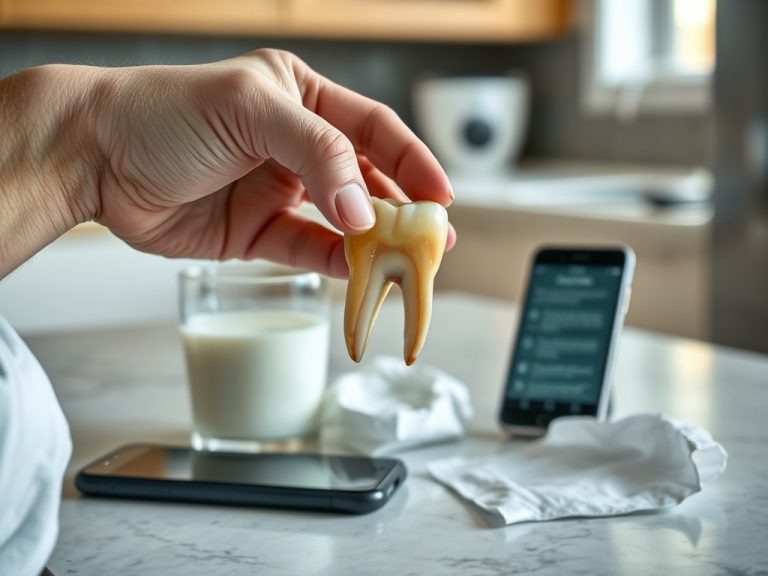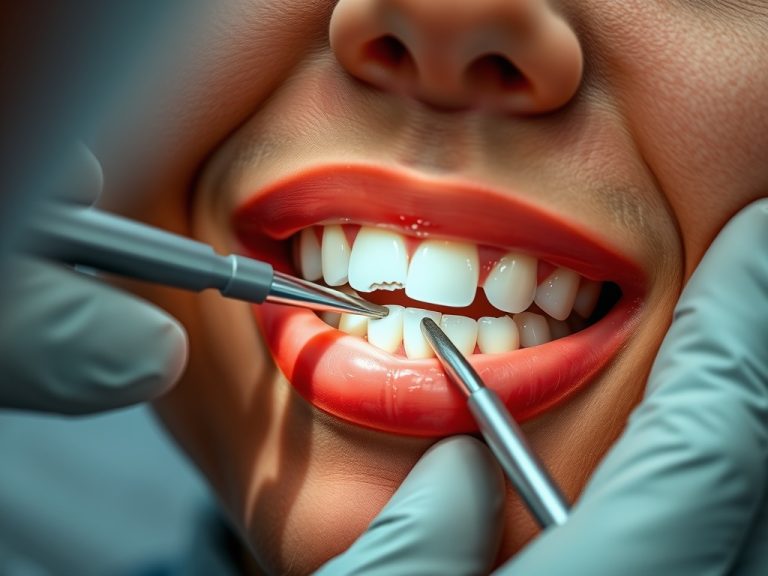
A filling repairs a tooth when the damage is relatively limited and enough strong tooth structure remains. A crown is more likely when the tooth is heavily weakened, cracked, worn down, has a very large existing filling, or needs full-coverage protection after root canal treatment or severe breakdown.
TL;DR
- Fillings replace smaller areas of decay or damage; crowns cover and protect more of the tooth.
- Dentists look at how much healthy tooth is left, where the damage sits, how much bite force the tooth handles, and whether the tooth has cracks or prior root canal treatment.
- A crown is often chosen when a filling would not hold up predictably.
- Routine care is appropriate for most cracked or decayed teeth, but urgent care is needed for swelling, severe pain, trauma, or a broken tooth with sharp edges.
The basic difference
A filling repairs a part of the tooth. A crown covers most or all of the visible part of the tooth above the gumline.
That does not mean crowns are always “better.” It means they solve a different problem. Dentists usually prefer the more conservative option when it can protect the tooth long term. The question is not only how big the cavity is, but whether the remaining tooth can survive chewing forces without splitting, leaking, or repeatedly breaking.
Signs a filling may be enough
A filling may still be appropriate when:
- decay or damage is relatively small to moderate
- there is enough sound enamel and dentin left to support the repair
- the tooth has no major cracks
- biting forces on that tooth are not likely to overload the restoration
- the area can be sealed well and kept dry during treatment
Modern composite fillings can do a lot, especially for smaller to medium restorations. They are often used for front teeth, small-to-moderate cavities on back teeth, and replacing older small fillings.
Signs a crown becomes more likely
A dentist may recommend a crown when one or more of these are true:
- a large part of the tooth is missing
- an old filling is so large that little strong tooth remains
- the tooth has cracked or is at risk of cracking
- the tooth has had root canal treatment and needs extra protection
- heavy grinding or clenching increases fracture risk
- the tooth is badly worn, misshapen, or structurally compromised
Filling vs crown: side-by-side
| Question | Filling | Crown |
|---|---|---|
| How much of the tooth is repaired? | Part of the tooth | Most or all of the visible tooth |
| Best for | Smaller to moderate loss of structure | Major breakdown, cracks, large existing fillings |
| Tooth reduction | Usually less | Usually more because space is needed for full coverage |
| Goal | Restore and seal a localized area | Protect a weakened tooth and distribute bite forces |
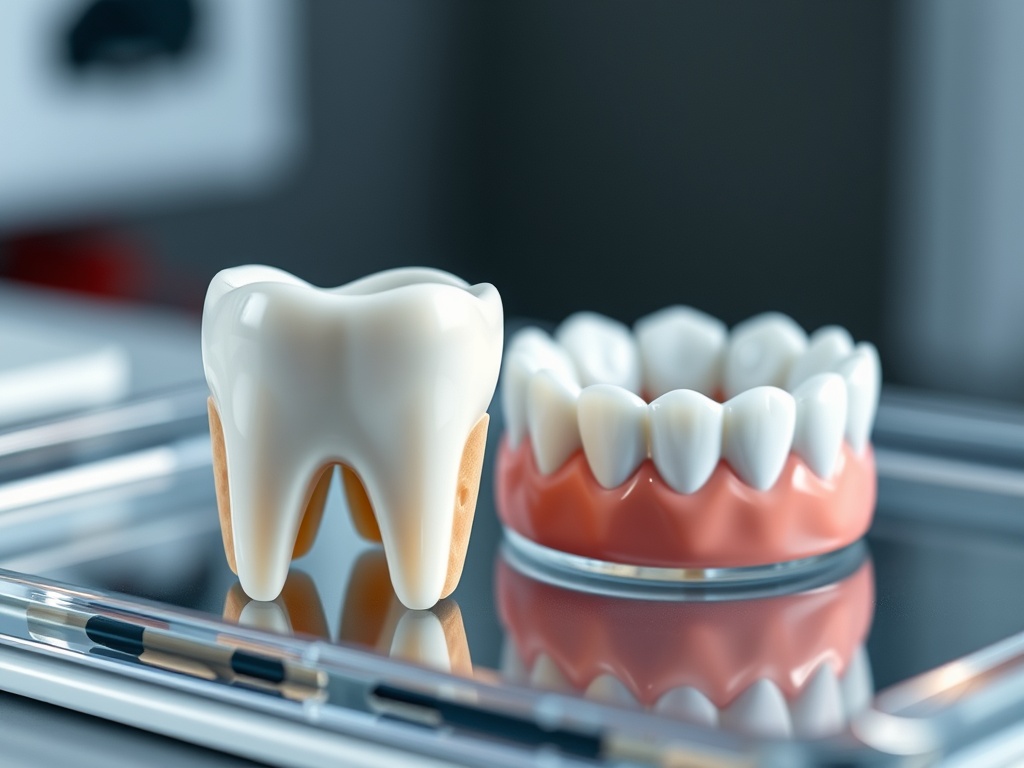
The factors dentists weigh before recommending one
Dentists usually look at five practical issues: how much healthy tooth is left, where the damage sits, whether the tooth is cracked, whether it has had root canal treatment, and whether grinding or clenching raises fracture risk. Those details often matter more than cavity size alone.
When a crown is not about size alone
Patients often assume the decision is just “small cavity equals filling, big cavity equals crown.” Size matters, but so does engineering. A tooth with a moderate-sized cavity plus a crack may need more protection than a larger cavity in a better-supported tooth.
That is also why two dentists can look at the same tooth and discuss slightly different restorative options. The best choice may depend on the crack pattern, the tooth’s history, X-ray findings, and how predictable each option seems over time.
What if the tooth hurts?
Tooth pain does not automatically mean you need a crown. Pain can come from decay, a cracked cusp, a high bite, nerve inflammation, or gum issues. The exam may involve:
- X-rays
- cold testing
- biting tests
- checking old fillings for leakage or fracture
- evaluating gum health around the tooth
If the damage is mainly gum-related rather than restorative, your dentist may talk first about cleaning and periodontal care. Our guide to periodontal pockets explained in plain English helps separate gum-support issues from tooth-restoration issues.
Routine vs urgent care
Book a routine appointment if:
- a tooth is sensitive to sweets or cold
- an old filling feels rough or catches floss
- a tooth has a visible chip without pain
- you have occasional pain when biting but no swelling
Seek urgent dental care sooner if:
- pain is severe or throbbing
- part of the tooth broke off and left a sharp edge
- you have swelling, fever, or pus
- the tooth was injured in an accident
- you cannot chew on that side at all
If trauma is involved, start with knocked-out tooth first aid before anything else.
Will insurance treat them differently?
Often yes. Many dental plans classify fillings and crowns differently, which may affect deductibles, co-insurance, waiting periods, and annual maximums. That does not determine what is clinically best, but it can affect timing and out-of-pocket cost. This overview of dental insurance basics can help you read the estimate with fewer surprises.
Questions worth asking your dentist
- How much healthy tooth structure is left?
- Is there a crack, or just decay?
- What are the pros and cons of a filling here?
- If we do a filling, what is the risk it will fail or break?
- Is an onlay or another conservative option reasonable?
How to frame the decision
You usually need a crown instead of a filling when the tooth is too weakened for a localized repair to last predictably. The decision depends on structure, cracks, bite forces, and tooth history, not just cavity size.
At the appointment, ask your dentist what the remaining tooth walls look like and whether a filling would truly restore the tooth or only postpone a more protective option.