Remote monitoring in orthodontics can improve convenience, communication, and early issue-spotting for some patients, but it does not replace in-person orthodontic exams. The best evidence so far suggests it may help with efficiency and selected treatment tracking, yet the overall quality of evidence is still limited and outcomes depend heavily on case selection, patient compliance, and how the orthodontist uses the tool.
TL;DR
- Remote monitoring lets patients send scans or photos between office visits.
- It may help catch aligner fit issues, broken attachments, hygiene concerns, or missed wear patterns earlier.
- It is a support tool, not a substitute for hands-on exams, X-rays, or emergency evaluation.
- It may be most useful for organized patients in active orthodontic treatment, especially with aligners.
- If something hurts, breaks, or changes suddenly, an in-person visit may still be the right next step.
What remote monitoring actually is
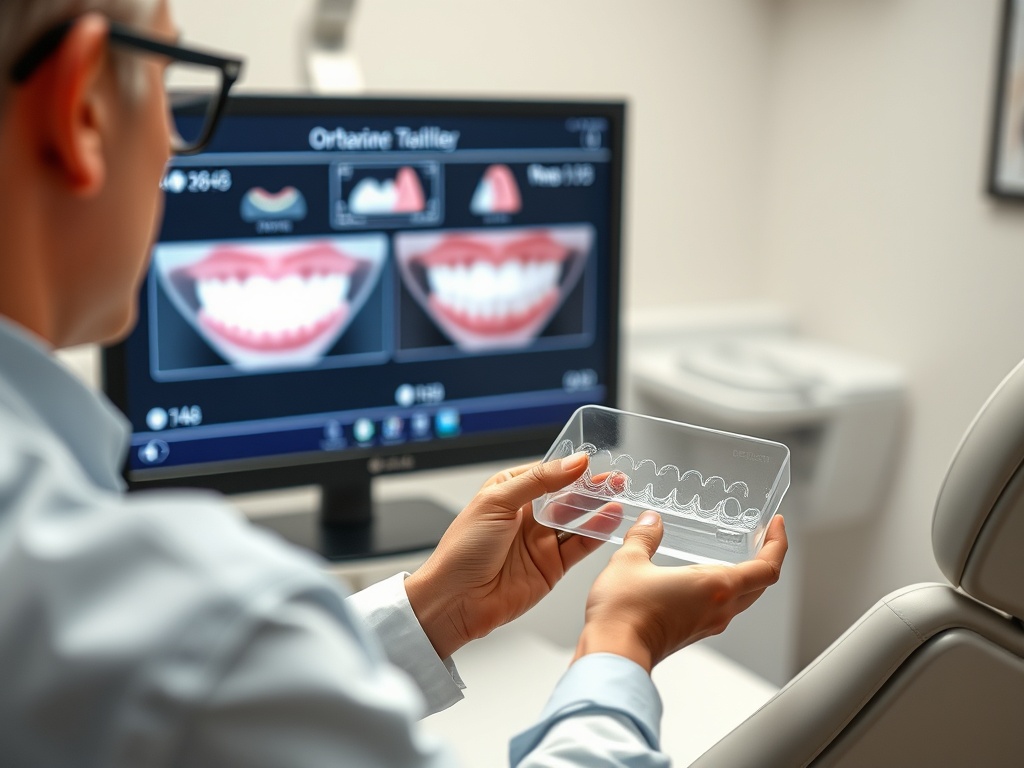
In orthodontics, remote monitoring usually means a patient uses an app, cheek retractors, or another guided system to send periodic images or scans to the orthodontic team. The orthodontist reviews those updates directly or through a structured platform that helps flag problems.
Common goals include:
- checking aligner fit
- spotting broken brackets or attachments
- monitoring hygiene and tissue health
- deciding whether the next tray can begin
- triaging whether a patient needs to come in sooner
How it might make treatment better
1. Earlier detection of issues
A poor-fitting aligner, broken attachment, or hygiene problem may be noticed before the next scheduled appointment.
2. Fewer unnecessary office visits
If things are tracking well, some routine checks may be streamlined.
3. Better patient accountability
Patients who know they are sending updates may wear aligners more consistently or report issues sooner.
4. Faster communication
Instead of waiting weeks to mention a problem, the patient can often flag it early and receive instructions.
The American Association of Orthodontists describes remote monitoring as a tool that can support patient care when used in combination with in-person visits, not as a replacement for the orthodontist.
What the evidence says so far
A recent systematic review on dental monitoring in orthodontics found potential benefits, including support for monitoring and efficiency, but also noted that the evidence base remains limited. Another review in teledentistry reported very low certainty for some claimed benefits. In practical terms, that means the idea is promising, but it is not settled science in every setting.
So the honest answer is: it may make treatment better for some patients, in some workflows, but not automatically for everyone.
Where remote monitoring seems most useful
| Situation | Likely value |
|---|---|
| Clear aligner treatment | High potential for tracking fit and wear between visits |
| Long travel distance to the office | Convenience may improve follow-through |
| Good patient compliance | Better quality images and more actionable updates |
| Straightforward cases | Easier to monitor remotely without missing nuance |
Where it has limits
Remote monitoring is not ideal for everything. It cannot fully replace:
- hands-on examination
- emergency treatment
- precise attachment repairs
- tactile assessment of mobility, tissue response, or occlusion
- imaging when root position, eruption path, or bone support needs review
A platform may suggest that treatment is “on track,” but the orthodontist still has to interpret that in context.
When in-person care still matters more
Book an in-person orthodontic or dental visit promptly if you have:
- pain that is worsening instead of settling
- a loose bracket or aligner that will not seat
- gum swelling or bleeding that persists
- a cracked tooth or attachment issue causing bite problems
- trauma to the mouth during treatment
For general gum irritation during orthodontic care, why your gums bleed when you brush can help you separate plaque-related inflammation from a problem that needs professional review.
Does it improve outcomes or mainly convenience?
Right now, the strongest practical argument is usually convenience plus earlier intervention, not guaranteed superior final outcomes. For some practices, that can still be meaningful. Catching a problem two weeks earlier may save time, improve comfort, and reduce disruption. But remote monitoring is only as good as the images sent, the response workflow, and the orthodontist’s judgment.
Questions to ask before signing up
- How often will scans be reviewed by the orthodontist or team?
- Does this replace any in-person visits, or only add communication?
- What happens if the app flags a problem?
- Is there an added fee?
- What kinds of issues still require an office appointment?
How this can intersect with other dental care
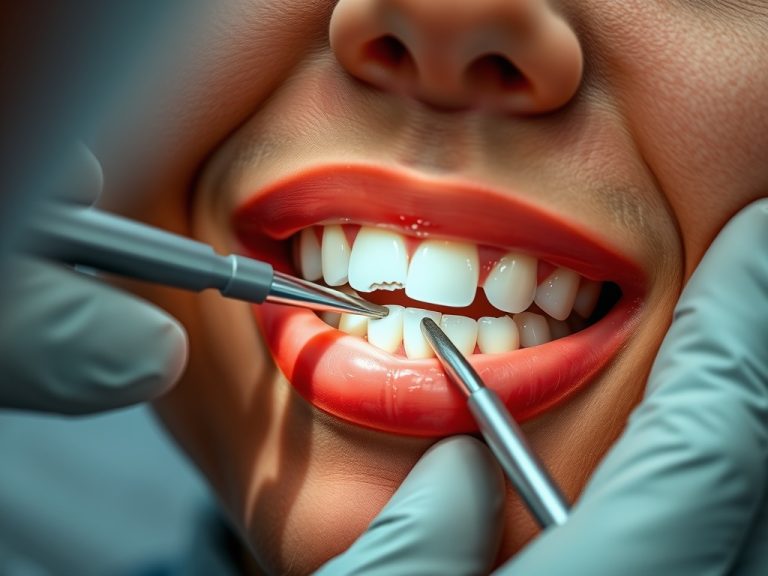
Orthodontic patients sometimes need restorative or cosmetic care during treatment. A chipped front tooth, for example, can affect aligner fit and attachment planning, which is why cosmetic options for a chipped front tooth may need coordination with the orthodontist. In complex cases, extractions and site planning can also matter, as explained in bone preservation after extraction.
What to weigh before deciding
Remote monitoring in orthodontics can make treatment feel smoother and more responsive, especially for aligner patients and reliable at-home participants. But it works best as an extension of orthodontic care, not a substitute for it. The current evidence is encouraging but still limited.
At your next orthodontic visit, ask exactly how remote monitoring would change your visit schedule, problem response time, and overall treatment oversight before deciding whether it adds real value for your case.