Before leaving a car overnight, ask what will be inspected, who can authorize extra work, where the vehicle will be stored, how you will receive updates, and what happens if the diagnosis changes. Clear questions protect both the driver and the shop from confusion.
Quick Takeaways
- Get the estimate, authorization limit, storage plan, contact method, and expected timeline in writing.
- Remove personal items, document the vehicle condition, and ask whether the car may be test-driven.
- Do not approve open-ended work without a clear diagnostic plan and a call-before-repair limit.
Start with the reason for the overnight stay
A car may stay overnight because parts are delayed, the concern only appears cold, the shop needs a longer road test, or the repair requires more labor than a same-day slot allows. The first question is not simply, “When will it be done?” Ask why the vehicle must remain, what will happen tonight, and what will happen the next business day. A vague answer can leave you without transportation and without progress.
Ask what is authorized right now
Authorization should be specific. A diagnostic fee is not the same as approval for repairs. Ask whether you are authorizing diagnosis only, a maximum dollar amount, or a defined repair. The FTC auto repair basics explains why written estimates and clear repair conversations matter. A useful phrase is: “Please call or message me before any work above this amount.” That keeps a small inspection from turning into a surprise invoice.
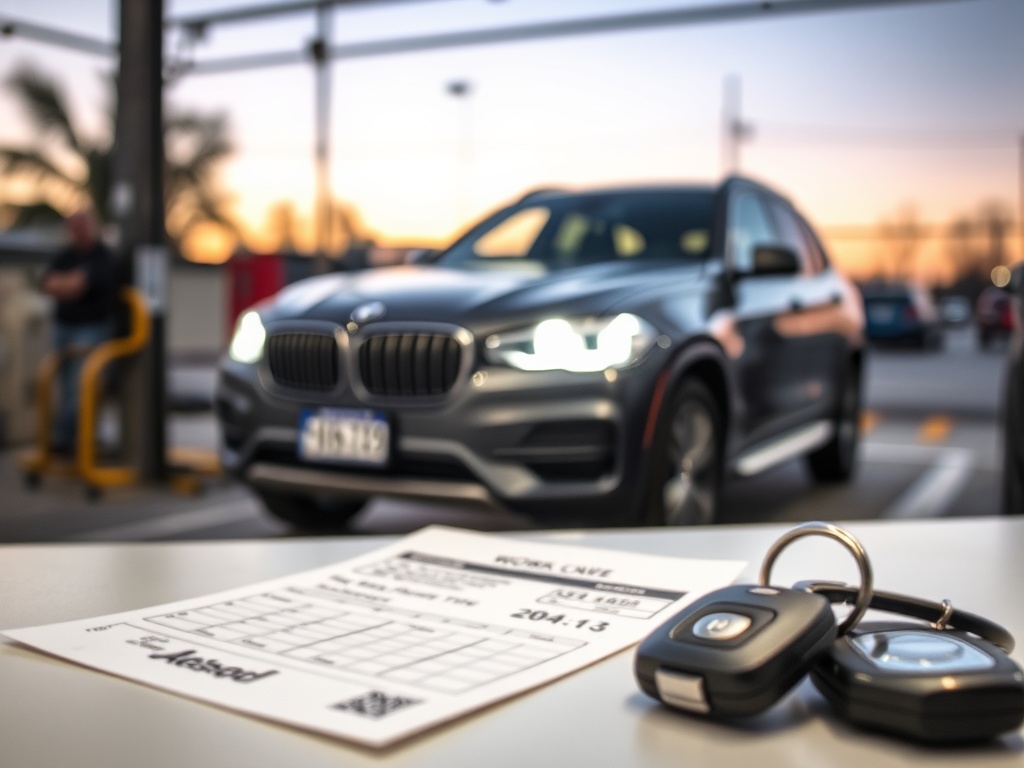
Confirm storage, keys, and access
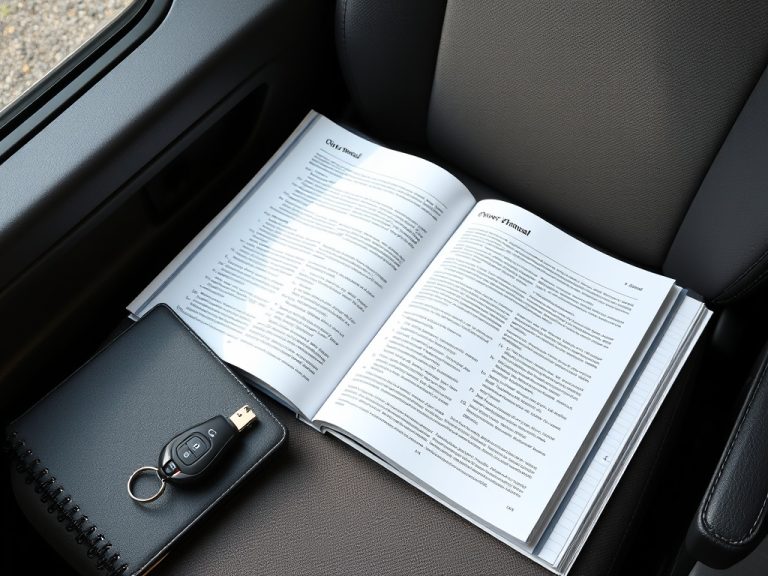
Ask where the vehicle will be stored after hours, whether it will be locked inside or outside, and how keys are secured. Remove valuables, garage remotes, toll tags if needed, work badges, prescription items, and personal documents. Take photos of the mileage, fuel level, exterior, wheels, and dashboard warnings. This is not about distrusting the shop; it creates a shared record if questions come up later. For supporting guidance, see FTC auto repair basics.
Clarify test drives and diagnostic steps
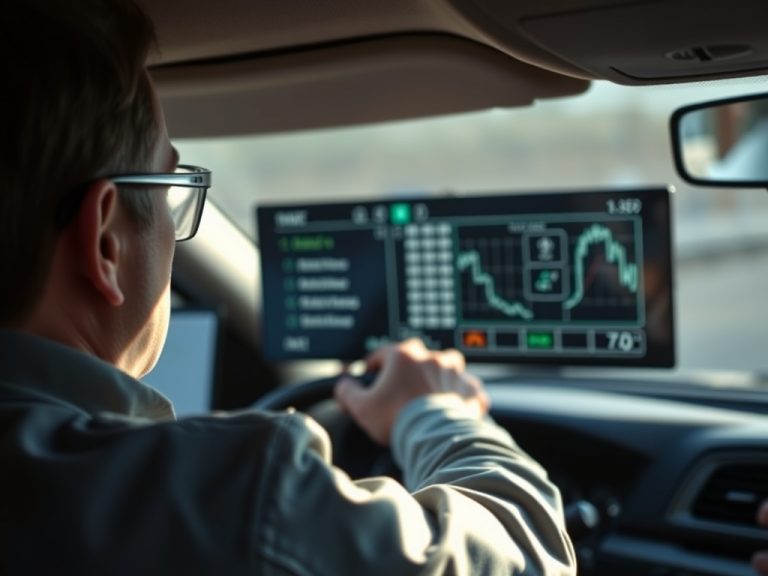
Some complaints require a road test. That includes intermittent noises, vibration, brake concerns, transmission symptoms, and electronic faults that appear only after warm-up. Ask who may drive the vehicle, approximately how far, and whether the test drive will happen before or after repairs. If the concern is a warning light, what a check engine light diagnosis includes explains why a scan code is only the beginning of diagnosis.
Check recalls, warranties, and parts timing
Before paying for certain repairs, ask whether the issue may be covered by a recall, service campaign, emissions warranty, parts warranty, or previous repair warranty. The NHTSA recalls and safety issues search is a practical source for recall and safety issue checks. Not every problem is covered, but asking early can prevent duplicate work. Also ask whether the shop has parts in hand or is waiting for supplier confirmation.
Red flags before you hand over the keys
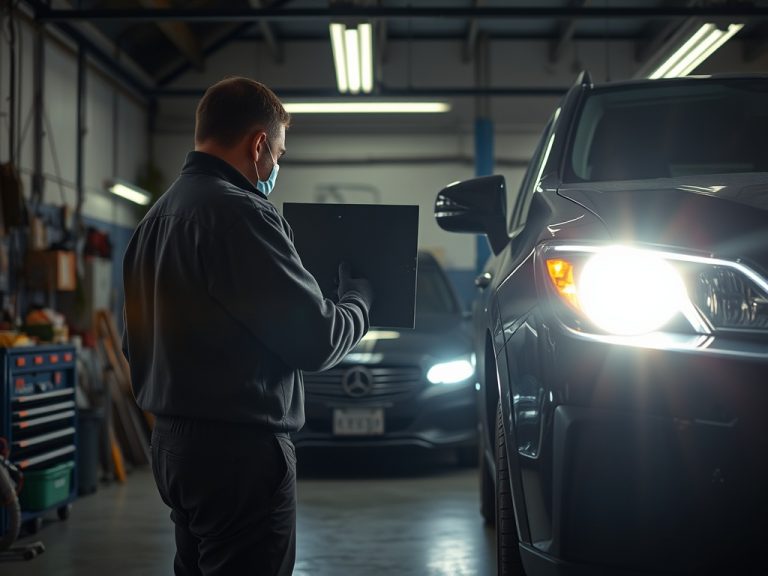
Be cautious if the shop will not identify the diagnostic fee, refuses written authorization, cannot explain storage, pushes broad repairs before inspecting the car, or will not define how updates will happen. If the repair involves lighting or brake symptoms, related guides on LED headlight upgrade questions and squeaking brakes and early warning signs can help you ask sharper questions. The smartest next step is to leave the car only after the scope, timeline, and authorization limit are clear. For connected context, read what a check engine light diagnosis includes.
Paper Trail Details That Prevent Confusion
The most useful overnight drop-off notes are boring on purpose. Write the mileage, fuel level, warning lights, primary complaint, and any authorization limit. Include the best phone number and state whether texting is acceptable. If the issue is intermittent, describe the conditions that reproduce it. A note such as “noise from front right over small bumps after 20 minutes of driving” gives the shop a better starting point than “please check noise.”
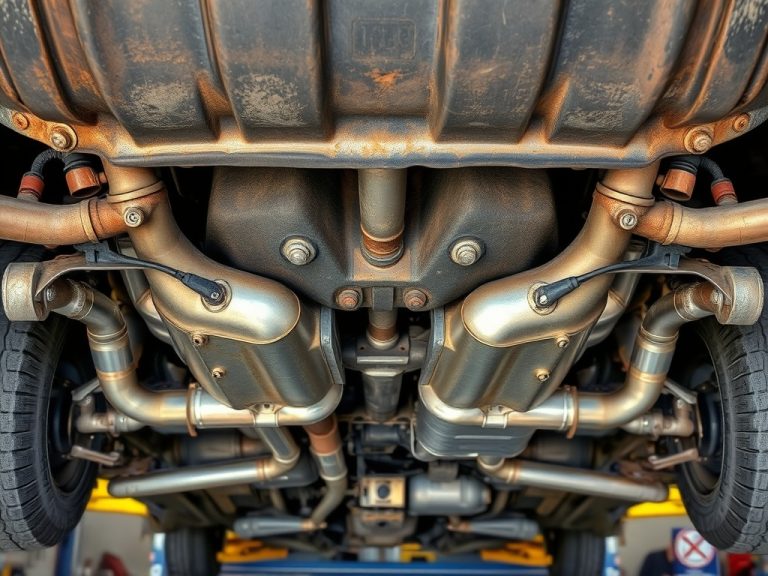
Loaner cars, rideshare reimbursement, storage fees, and diagnostic fees should be clarified before the vehicle is left. Not every shop offers the same convenience options, and not every delay is within the shop’s control. Parts availability, locked modules, insurance approvals, corrosion, and previous repairs can all change timing. Clear expectations are especially helpful when the vehicle is needed for work, school, medical appointments, or fleet duty the next morning.
When the shop calls with findings, ask for the decision in three groups: urgent safety items, repairs needed to solve the complaint, and maintenance that can be planned later. That simple separation lowers pressure and helps you approve the right work first. If photos or digital inspection notes are available, review them before authorizing additional repairs. A documented yes is better for everyone than a rushed phone approval you barely remember later. For supporting guidance, see NHTSA recalls and safety issues search.
Pickup-Day Questions That Matter Too
The overnight checklist does not end when the shop says the car is ready. Ask what was done, what was tested, and whether any symptoms remain. If the vehicle was driven, compare mileage with the expected test-drive need. If photos or inspection notes were provided, save them with the invoice. This creates a timeline for future service and helps another shop understand what has already been checked.
Ask whether any recommended work was declined or deferred. Deferred items are easy to forget once the immediate problem is fixed. A good invoice or inspection report should separate completed repairs from future maintenance and safety concerns. If a part was ordered but not installed, clarify whether it is still needed, whether a deposit applies, and how long it will remain available. For connected context, read LED headlight upgrade questions.
Before leaving the lot, check warning lights, personal items, seat position, fuel level, and any feature involved in the repair. If the original complaint was intermittent, ask what would count as normal after repair and what should prompt a return visit. A clear pickup conversation prevents a small misunderstanding from becoming a frustrating second appointment.
One more practical step is to decide who is responsible for communication if the shop finds something serious. If a spouse, business partner, parent, or fleet manager must approve work, give the shop that contact before leaving. Otherwise, a repair bay can sit occupied while everyone waits for permission. Clear contact rules are especially useful when a vehicle is dropped off after hours, because the first morning call often sets the pace for the whole repair. For connected context, read squeaking brakes and early warning signs.
If anything feels unclear, pause the handoff and ask for the explanation again in plain language. A reliable shop would rather answer one more question than repair the wrong concern. The safest overnight visit is the one where the driver, advisor, and technician all understand the same complaint, budget limit, and pickup expectation.
Practical Comparison for Drivers
| Question | Why it matters | What a clear answer sounds like |
|---|---|---|
| What am I authorizing? | Prevents surprise work | Diagnosis only up to a stated amount |
| Where will the car be stored? | Protects vehicle and belongings | Locked lot, indoor bay, or defined outdoor area |
| May you test-drive it? | Avoids mileage confusion | Yes, limited route for symptom verification |
| How will I get updates? | Keeps timing clear | Text or call by a specific time |
Leaving the Car With Less Guesswork
Use the symptom, the inspection evidence, and the vehicle’s real operating conditions to choose the next step. A good service conversation should leave you knowing what was checked, what is urgent, what can wait, and how the result will be verified after the work is finished.
Neutral next step: document the symptom, gather any maintenance history, and ask for a written inspection or diagnostic plan before approving parts replacement.