LED headlight upgrades can improve nighttime visibility when the lamp, housing, beam pattern, aim, and local rules all work together. Problems usually start when a bright bulb is installed in a housing that was not designed for it, creating glare, warning lights, inspection issues, or uneven light on the road.
Quick Takeaways
- A brighter bulb is not automatically a safer lighting system.
- The correct fit depends on housing design, beam cutoff, aim, wiring, heat control, and local inspection requirements.
- A professional check is smart when the beam pattern looks scattered, drivers flash their lights at you, or the dashboard reports a bulb fault.
What an LED upgrade really changes
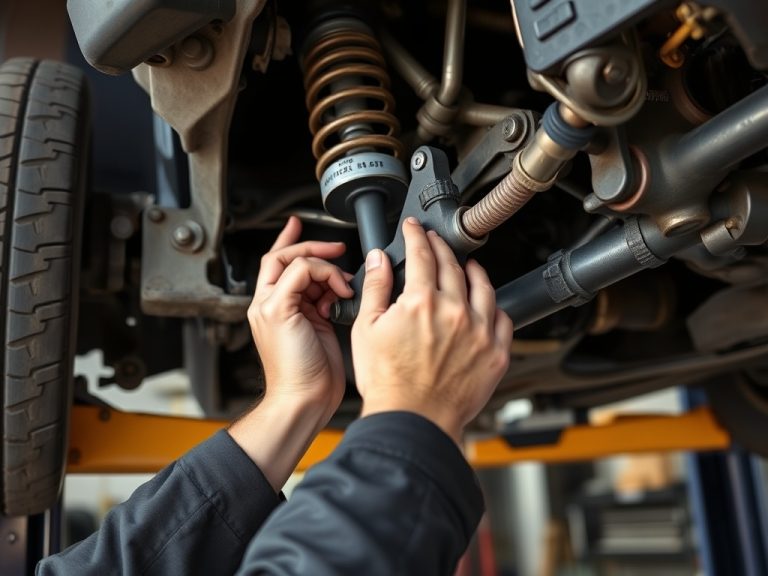
An LED headlight upgrade is not just a bulb swap. It changes the light source, heat behavior, electrical load, and the way light reflects inside the headlamp housing. Factory LED systems are engineered as a package. Aftermarket bulbs may work well in some projector housings, but they can perform poorly in reflector housings that were shaped around a halogen filament. That is why two cars can use similar bulb sizes yet produce very different road results after the same upgrade. A good shop checks physical fit, dust-cover clearance, fan or heat-sink space, connector quality, and beam shape before treating the job as finished.
The visibility-versus-glare tradeoff
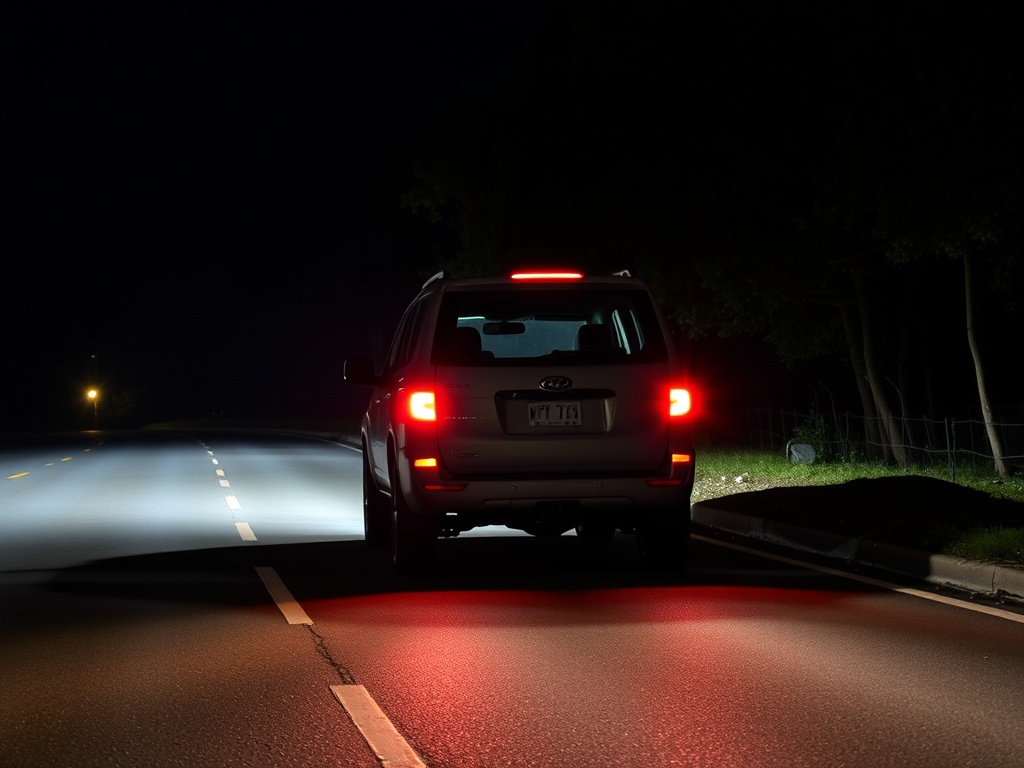
The goal is usable light, not raw brightness. A proper low beam should illuminate the lane and shoulder without sending uncontrolled light into oncoming traffic. If the cutoff line is fuzzy, too high, or split into bright patches, the driver may feel the road is brighter while everyone else sees glare. Federal guidance around headlamps focuses on photometry and safe aiming, and commercial vehicle rules also point to headlamps being aimable and aimed to the applicable standard. Drivers can read the broader regulatory context through the NHTSA lighting interpretation on LED headlights and the federal headlamp aiming rules. Those sources do not make every aftermarket swap legal; they show why the whole lamp system matters.
What shops inspect before saying yes
A careful inspection includes the existing lens condition, reflector or projector type, bulb orientation, electrical connector condition, and room behind the lamp. Cloudy lenses can waste light no matter what bulb is installed, so restoration or replacement may be more effective than chasing a stronger bulb. On newer vehicles, the shop may also check for bulb-out monitoring, CAN-bus compatibility, flicker, radio interference, and daytime running light behavior. The practical question is simple: does the driver gain controlled visibility, or just a brighter-looking lamp? For supporting guidance, see NHTSA lighting interpretation on LED headlights.
Cost, urgency, and realistic outcomes
This is usually not an emergency service unless a headlight is out, the wiring is damaged, or the beam is dangerously misaligned. Costs vary because a simple compatible bulb install is very different from replacing housings, repairing connectors, or correcting previous modifications. The best outcome is a clean cutoff, reliable operation, and a visible improvement on dark roads. The worst outcome is glare, heat damage, condensation, failed inspections, or electrical faults. Before approving an overnight repair, use the same documentation habits discussed in questions to ask before leaving your car overnight so the scope is clear.
Questions drivers ask most often
Will LEDs last longer? Often, but heat management and product quality matter more than the word LED on the box. Will they be legal? That depends on the vehicle, lamp assembly, product certification, and jurisdiction. Will they blind other drivers? They can if the beam is uncontrolled. Can a shop aim them afterward? Yes, but aiming cannot fully fix a bulb that creates the wrong beam pattern inside the housing. If nighttime visibility is poor, also consider tires, windshield condition, mirrors, and driver vision, not only the bulbs. For supporting guidance, see federal headlamp aiming rules.
A smarter way to decide
Start with the problem you are trying to solve. If one side is dim, diagnose voltage, ground, lens clarity, and bulb age first. If both lights are weak, compare lens condition and aim before buying parts. If you tow, carry heavy cargo, or recently had front-end work, aim matters even more. If another symptom is present, such as warning lights or brake noise, related reading on squeaking brakes that should not be ignored and torque converter symptoms drivers misread can help separate a lighting concern from a broader safety visit. The practical next step is to ask for a beam-pattern check before paying for an upgrade.
Fitment Notes Before Buying Lighting Parts
Drivers often compare LED kits by lumen claims, color temperature, and price, but the better comparison starts with fitment evidence. Ask whether the bulb sits at the correct focal point, whether the locking tabs seat fully, whether the dust cap still seals, and whether the heat sink or fan has enough room. A lamp that is hard to install is not automatically wrong, but a lamp that requires force, trimmed seals, or unsecured adapters is a warning sign. Water entry, vibration, or loose wiring can turn a visibility upgrade into a repeat electrical complaint. For connected context, read questions to ask before leaving your car overnight.
Color also deserves restraint. Very cool-looking light can seem modern, yet it may increase perceived glare or reflections in rain, fog, or snow. Many drivers get better real-world comfort from a clean, well-aimed beam than from the bluest-looking bulb. Shops commonly recommend checking the lens and aim first because a hazy lens can scatter even a high-quality beam. If the vehicle has automatic leveling, adaptive lighting, or bulb monitoring, the inspection should include those features rather than treating the headlamp like an older sealed unit.
After installation, the best quality check is practical. Park on level ground, inspect the cutoff, verify both sides match, and take a controlled night drive on a familiar road. Watch for dark gaps, flicker, radio noise, dashboard warnings, and complaints from other drivers. If oncoming traffic frequently flashes its lights, treat that as feedback, not an insult. The upgrade should help you see lane edges, signs, and pedestrians without creating a problem for everyone else. For connected context, read squeaking brakes that should not be ignored.
Shop Conversation Points for LED Lighting Work
Ask the shop to compare the current light output problem with the proposed fix. If the real issue is oxidized lenses, poor aim, weak voltage, or water-damaged connectors, a bulb upgrade alone may disappoint. Ask whether both lamps will be checked on a level surface and whether the beam pattern will be documented before the car leaves. This is especially useful after bumper work, front-end repairs, or suspension changes that can alter aim.
Ask what happens if the vehicle reports a bulb fault or flicker after installation. Some vehicles need compatible drivers, adapters, or a different product; others simply do not respond well to a retrofit. A clean estimate should explain whether the work is reversible, whether any wiring will be modified, and whether the original parts will be returned. Avoid permanent cutting unless there is a clear reason and a reliable repair plan. For connected context, read torque converter symptoms drivers misread.
Finally, ask how weather sealing will be protected. A brighter lamp is not helpful if the housing later fills with condensation. The final check should include high beam, low beam, turn signals if integrated, daytime running lamps, and any automatic lighting feature. A careful lighting upgrade ends with confidence on the road, not just a bright photo against a garage wall.
Practical Comparison for Drivers
| Upgrade path | Best fit | Main risk |
|---|---|---|
| Quality halogen replacement | Drivers with cloudy or aging bulbs but intact housings | Less dramatic improvement |
| LED bulb in compatible housing | Drivers needing better controlled light after fitment check | Glare or warning errors if mismatched |
| Complete LED headlamp assembly | Vehicles with available compliant assemblies | Higher parts and labor cost |
Choosing Light You Can Actually Use
Use the symptom, the inspection evidence, and the vehicle’s real operating conditions to choose the next step. A good service conversation should leave you knowing what was checked, what is urgent, what can wait, and how the result will be verified after the work is finished.
Neutral next step: document the symptom, gather any maintenance history, and ask for a written inspection or diagnostic plan before approving parts replacement.