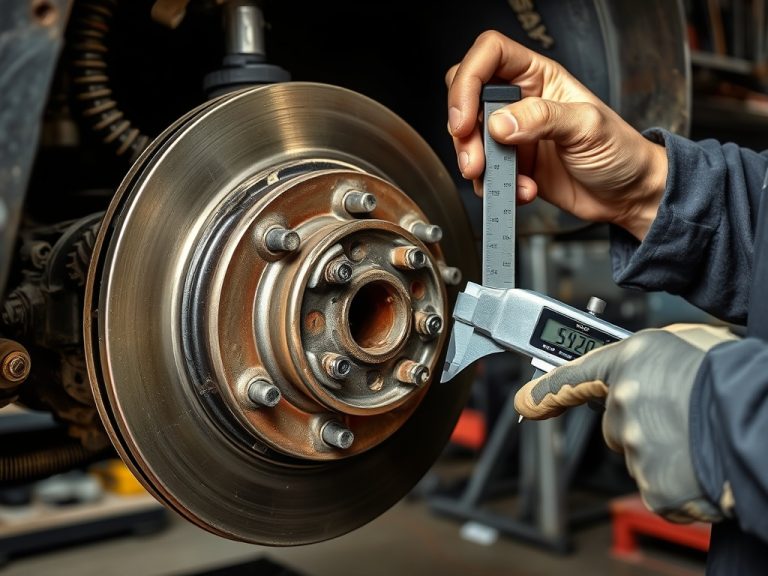
Torque converter problems can feel like engine hesitation, misfire, transmission slip, shudder, or rough shifting. Diagnosis should separate converter clutch behavior from engine performance, fluid condition, mounts, driveline issues, and electronic controls.
Quick Takeaways
- Commonly misread symptoms include shudder at steady speed, delayed engagement, overheating, rpm flare, and vibration under light load.
- A scan tool, road test, fluid check, and data review are usually needed before calling the converter bad.
- Driving with severe slip, overheating, or metal contamination can turn one problem into a larger transmission repair.
Why the symptoms are easy to confuse
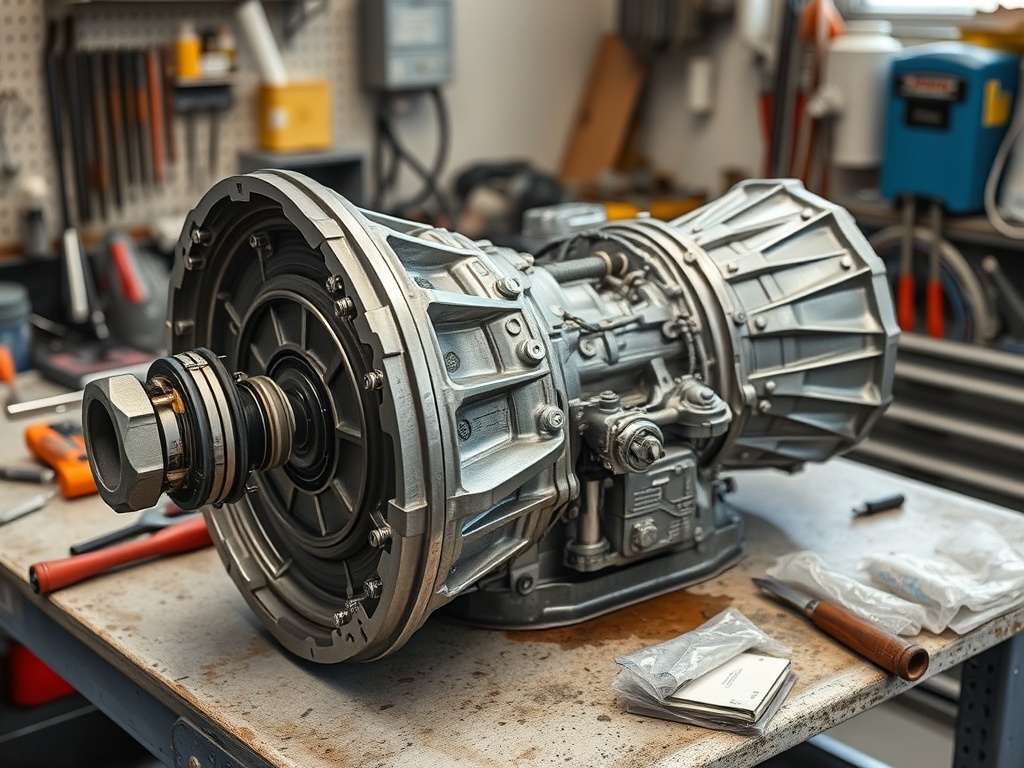
A torque converter transfers engine power into an automatic transmission through fluid coupling and, in many vehicles, a lockup clutch. When something goes wrong, the symptom can feel like a misfire, wheel imbalance, bad mount, or slipping transmission. Drivers often describe a rumble-strip feeling, hesitation when accelerating, rpm flare, or vibration at steady cruising speed. Those descriptions are helpful, but they are not a diagnosis by themselves.
What shops try to rule out first
A technician may begin with a road test and scan for powertrain codes. Engine misfires, fuel-trim problems, bad mounts, worn axles, tire issues, and software updates can mimic converter complaints. Fluid level and condition matter, but fluid color alone does not prove the converter is bad. If the check engine light is on, check engine light diagnostic process explains why stored codes need testing rather than parts guessing.
Converter clutch shudder versus other vibration
Torque converter clutch shudder often appears under light throttle when the converter is applying or locked. It may come and go with speed, gear, temperature, or load. Tire vibration tends to follow vehicle speed. Engine misfire may follow load and rpm. Suspension clunks over bumps point in another direction, which is why clunking over bumps and suspension checks is a useful comparison for drivers sorting out different sensations. For connected context, read check engine light diagnostic process.
Urgency and damage risk
A mild intermittent shudder should be inspected soon, while severe slipping, overheating, delayed engagement, burning smell, or metal debris in fluid deserves quick attention. Continued driving can increase heat and spread debris through the transmission. If a vehicle has an open safety recall or known issue, NHTSA safety issue and recall search can help drivers start a recall check before paying for major work. Recall status does not replace diagnosis, but it is worth confirming.
Repair paths and cost drivers
Possible outcomes include software updates, fluid service when appropriate, valve body or solenoid work, converter replacement, cooler flushing, or transmission overhaul if internal damage exists. Costs depend on access, drivetrain layout, contamination, whether the transmission must be removed, and what failed first. The FTC auto repair basics consumer repair guidance supports asking for a written estimate and clear authorization before approving major drivetrain work.
How to talk to the shop
Describe when the symptom happens: cold, hot, uphill, light throttle, highway cruise, stop-and-go traffic, or after towing. Ask whether the shop observed converter clutch slip data, misfire counters, fluid condition, and temperature. Ask what will be verified after repair. Electrical issues from unrelated upgrades, such as the lighting concerns in LED headlight upgrade problems, should remain separate unless the shop finds a shared voltage or control issue. The next step is a drivability diagnosis, not a blind converter replacement. For connected context, read clunking over bumps and suspension checks.
Drivability Details That Keep Diagnosis Focused
Torque converter complaints should be described by load, speed, temperature, and gear behavior. A shudder at 45 mph under light throttle is more useful than “the transmission feels weird.” Note whether the tachometer moves, whether the symptom disappears with a slight pedal change, and whether it happens before or after the vehicle is fully warm. If towing, hills, or heavy cargo make it worse, include that information.
Fluid service is not a magic reset. In some cases, correct fluid and maintenance history help; in others, worn internal parts or contaminated fluid make the situation more serious. Ask the shop whether fluid condition supports service, diagnosis, or teardown. If metal debris is present, a simple fluid exchange may not address the damage. If software updates apply, the repair path may be different from a mechanical converter replacement.
Because transmission work can be expensive, the estimate should explain the evidence behind the recommendation. Ask what data showed converter clutch slip, whether misfire counters were clean, whether mounts and axles were inspected, and how the repair will be verified. A careful process may take longer at the beginning, but it lowers the risk of replacing a converter for a symptom caused by something else. For supporting guidance, see NHTSA safety issue and recall search.
Questions Before Approving Drivetrain Repairs
Ask the shop to separate diagnosis from repair. A transmission or converter recommendation should be supported by road-test behavior, scan data, fluid condition, and checks that rule out engine or driveline causes. If the vehicle has stored codes, ask whether they are current, pending, history, or unrelated. That distinction matters because old codes can distract from the active complaint.
Ask whether the repair includes cooler service, programming, adaptation relearn, mounts, seals, or fluid. Torque converter work often requires removing major components, so nearby service items may be practical while access is available. At the same time, every add-on should have a reason. The estimate should make clear what is required, what is recommended, and what is optional while the vehicle is apart. For supporting guidance, see FTC auto repair basics.
After repair, the shop should verify the symptom under the same conditions that created it before. If the shudder happened hot at steady highway speed, a short parking-lot drive is not enough. Ask what break-in or recheck advice applies. Drivetrain repairs are too expensive for vague handoff notes; the final explanation should be specific and testable.
For torque converter concerns, timing matters. If the vehicle still drives normally except for a light shudder, diagnosis can often be scheduled before a failure becomes severe. If the transmission overheats, slips badly, delays engagement, or smells burnt, reduce driving and arrange service quickly. The goal is to protect the transmission from extra heat and debris while there is still a chance to limit the repair scope. For connected context, read LED headlight upgrade problems.
A clear repair plan should also mention fluid compatibility and any relearn procedure the vehicle may need. Modern transmissions can be sensitive to fluid type and control strategy. Asking about those details helps confirm that the repair is being handled as a system, not as a single part swap with missing follow-through later.
Practical Comparison for Drivers
| Driver description | Could be converter-related? | Other causes to rule out |
|---|---|---|
| Rumble-strip shudder at cruise | Yes, often clutch apply related | Misfire, tires, axles, mounts |
| RPM rises without speed | Possible slip | Low fluid, internal transmission wear |
| Clunk over bumps | Usually no | Suspension or loose components |
| Harsh engagement | Possible control or fluid issue | Mounts, software, valve body |
Reading Drivetrain Symptoms the Careful Way
Use the symptom, the inspection evidence, and the vehicle’s real operating conditions to choose the next step. A good service conversation should leave you knowing what was checked, what is urgent, what can wait, and how the result will be verified after the work is finished.
Neutral next step: document the symptom, gather any maintenance history, and ask for a written inspection or diagnostic plan before approving parts replacement.