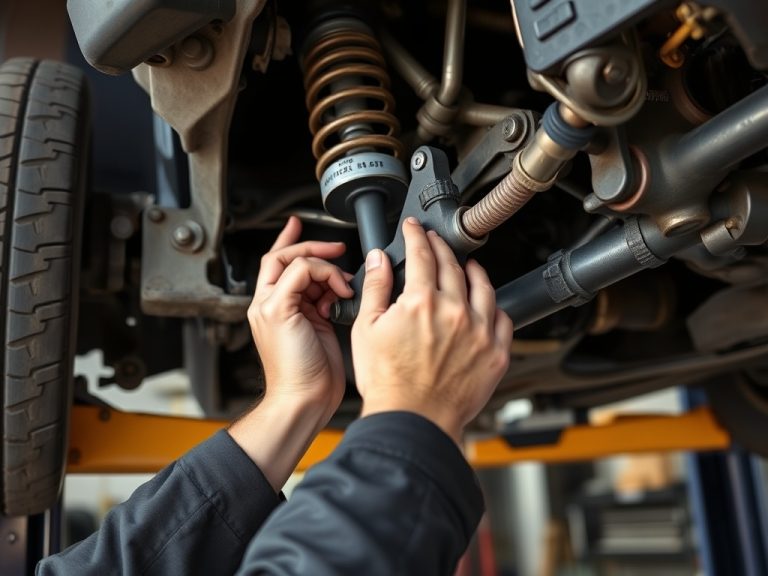
Independent shops can handle mixed fleets efficiently when they have disciplined intake, maintenance history, diagnostic tooling, parts sourcing, communication, and scheduling systems. The challenge is not independence; it is process consistency across different makes, duties, and vehicle sizes.
Quick Takeaways
- Mixed fleets need a shop that can standardize inspection, documentation, and priority decisions across varied vehicles.
- Efficiency improves when fleet managers share mileage, duty cycle, driver reports, past repairs, and downtime limits.
- For regulated commercial vehicles, maintenance records and inspection responsibilities must be treated as compliance tasks, not casual notes.
What “mixed fleet” really means
A mixed fleet may include vans, pickups, light-duty cars, box trucks, diesel units, hybrids, and specialty vehicles used for different routes. One vehicle may idle all day, another may carry tools, and another may run highway miles. That variety makes a one-size maintenance schedule weak. The shop needs to understand usage patterns, not just model names. Independent shops can be efficient when they organize service by duty cycle and failure risk.
The process that separates strong shops
Efficient fleet support begins before the vehicle arrives. The shop should collect unit numbers, VINs, mileage, driver complaints, prior repair history, and downtime needs. It should separate preventive work from driver-reported defects and urgent safety items. For commercial vehicles, FMCSA inspection repair and maintenance rules outlines federal inspection, repair, and maintenance obligations, while FMCSA driver vehicle inspection reports addresses driver inspection reports. Those references show why accurate documentation matters as much as wrench time.

Tooling and training realities
No shop can be equally deep on every platform without limits. A practical independent shop knows which vehicles it can support in-house and when dealer-level programming, specialty equipment, or sublet work is needed. That honesty is a strength. Mixed fleets often benefit from one coordinator who can handle routine service, triage, and many diagnostics while referring rare specialty work before downtime spirals. For supporting guidance, see FMCSA inspection repair and maintenance rules.
Where downtime usually hides
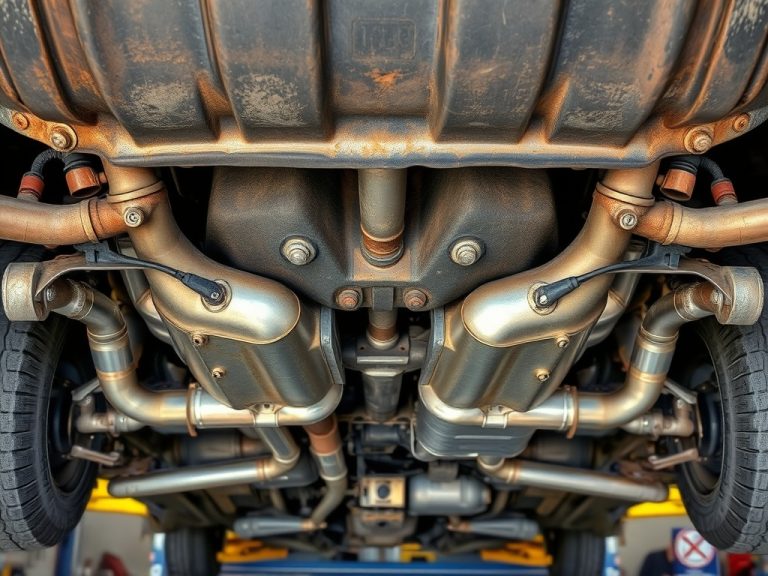
Downtime often comes from missing approvals, vague driver complaints, parts delays, and repeated diagnosis of the same symptom by different people. A fleet manager can help by sending photos, driver notes, maintenance history, and a clear authorization threshold. If the concern involves exhaust or emissions components, muffler resonator catalytic converter differences helps decision-makers separate mufflers, resonators, and catalytic converters. If the symptom feels like shudder or hesitation, torque converter symptoms in drivability complaints can help frame drivetrain complaints.
How to compare independent shops
Ask about fleet intake forms, digital inspections, inspection checklists, after-hours drop-off, parts channels, warranty handling, and communication cadence. Ask how they prioritize safety issues versus convenience repairs. Ask whether they can tag recurring faults across units. If many vehicles use screens, cameras, telematics, or driver-assistance features, diagnosing intermittent screen blackouts is a useful reminder that modern fleet service is partly electronics workflow.
A practical decision framework
An independent shop is a good fit when it reduces administrative drag, keeps records clean, communicates quickly, and knows its technical boundaries. It may not be the best fit if the fleet requires constant manufacturer programming, heavy collision calibration, or brand-specific warranty work. The next step is a trial workflow with a small vehicle group, a shared inspection template, and agreed metrics for turnaround time, comeback rate, and communication quality. For supporting guidance, see FMCSA driver vehicle inspection reports.
Workflow Metrics Fleet Managers Should Track
Fleet efficiency becomes visible when managers track the same metrics every month. Useful measures include average turnaround time, repeat visits for the same complaint, preventive maintenance completion rate, driver defect response time, and downtime by vehicle class. These numbers show whether the shop is merely busy or genuinely improving fleet uptime. They also reveal which vehicles are becoming chronic offenders and may need replacement planning instead of another patch repair.
A mixed fleet should also have standardized defect language. Drivers may describe the same problem in five different ways, so a simple intake form helps: warning light, noise, leak, vibration, starting issue, braking issue, comfort feature, or body damage. Photos, mileage, route type, and load details make the report stronger. The goal is not to turn drivers into technicians; it is to make their first observation useful enough for faster triage.
Independent shops are often strongest when the relationship is structured. Agree on approval thresholds, after-hours procedures, parts preferences, inspection templates, and escalation contacts. If a repair is outside the shop’s tooling or certification range, the shop should say so early. That honesty protects uptime better than heroic guessing. A reliable partner is the one that knows when to fix, when to inspect more deeply, and when to refer. For connected context, read muffler resonator catalytic converter differences.
Service Agreement Details for Fleet Work
Before sending multiple vehicles, define how approvals work. Some fleets allow repairs below a dollar limit without a call, while others require approval for every item. The shop should know who can authorize safety repairs, maintenance, tires, diagnostics, and unexpected teardown. Without that structure, technicians wait for answers, drivers wait for vehicles, and managers lose visibility into downtime.
Parts standards should also be clear. A fleet may prefer original-equipment parts for certain safety systems and high-quality aftermarket parts for routine wear items. The right answer depends on use, warranty, budget, and downtime tolerance. What matters is consistency. Random parts decisions across similar vehicles make it harder to compare failures and plan maintenance. For connected context, read torque converter symptoms in drivability complaints.
Finally, agree on reporting. A monthly summary of completed work, declined work, recurring faults, and upcoming services can reveal patterns before they become breakdowns. Independent shops that provide clean reporting can compete strongly because they give managers usable information, not only invoices. That information is often what turns repair spending into fleet control.
Fleet leaders should also decide how drivers report small concerns before they become breakdowns. A loose mirror, slow crank, intermittent warning, or unusual vibration may not stop a route today, but it can become tomorrow’s downtime. A shop that receives early notes can group minor work with scheduled maintenance. That planned approach is often more efficient than waiting until several vehicles need urgent attention at once. For connected context, read diagnosing intermittent screen blackouts.
The final decision should also consider geography. A local independent shop may respond faster than a distant dealer when a route vehicle fails midweek, but proximity alone is not enough. The shop still needs records, tooling, parts access, and disciplined communication. Convenience becomes real value only when it reduces avoidable downtime and keeps service decisions documented clearly.
Practical Comparison for Drivers
| Fleet need | Independent shop strength | Question to ask |
|---|---|---|
| Routine maintenance | Flexible scheduling and local communication | Can you track service by unit number? |
| Mixed diagnostics | Broad experience across platforms | Which systems require outside programming? |
| Compliance records | Digital inspections and repair notes | How are DVIR-related defects documented? |
| Downtime control | Fast triage and approvals | When will we receive updates? |
The Fleet Fit Test Before You Commit
Use the symptom, the inspection evidence, and the vehicle’s real operating conditions to choose the next step. A good service conversation should leave you knowing what was checked, what is urgent, what can wait, and how the result will be verified after the work is finished.
Neutral next step: document the symptom, gather any maintenance history, and ask for a written inspection or diagnostic plan before approving parts replacement.