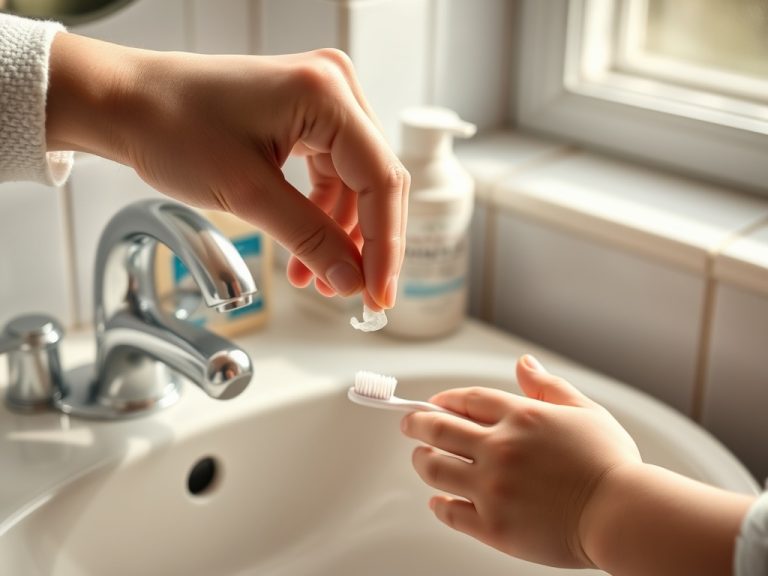
If a permanent tooth gets knocked out, the first 30 minutes matter. The best immediate steps are to find the tooth, hold it only by the crown, gently rinse it if dirty, place it back in the socket if possible, or keep it moist in milk or saline, and get to a dentist or endodontist right away.
TL;DR
- This article applies to a knocked-out permanent tooth, not a baby tooth.
- Handle the tooth by the crown, not the root.
- Replant it immediately if you can do so safely and correctly.
- If you cannot replant it, keep it moist in milk, saline, or inside the cheek only if the person is old enough not to swallow it.
- Seek emergency dental care immediately. The sooner the tooth is managed, the better the chance of saving it.
First: is it a baby tooth or a permanent tooth?
Do not try to reinsert a baby tooth. That can damage the developing adult tooth underneath. A knocked-out baby tooth still needs prompt dental advice, but the first-aid steps are different.
These instructions are for a knocked-out permanent tooth.
What to do right away
- Find the tooth quickly. Pick it up by the chewing edge or visible white part, called the crown.
- Do not touch the root. The root surface carries delicate cells that matter for reattachment.
- If the tooth is dirty, rinse it gently for a few seconds. Use milk, saline, or a brief gentle rinse with water. Do not scrub it, dry it, or wrap it in tissue.
- Try to place it back into the socket. Make sure it is facing the right way. Once it is in, have the person gently bite on clean gauze or cloth.
- If you cannot reinsert it, keep it moist. Milk is a common first-aid choice. Saline is also reasonable. The inside of the cheek is sometimes suggested for older cooperative patients, but only if there is no risk of swallowing.
- Go for emergency dental care immediately.
The American Association of Endodontists notes that the best chance of saving the tooth is when care happens very quickly, ideally within about 30 minutes.
What not to do
- Do not scrub or disinfect the tooth
- Do not scrape the root
- Do not store it dry
- Do not put it in ice
- Do not delay because the bleeding seems minor
- Do not reinsert a baby tooth
Why speed matters
A knocked-out tooth is called an avulsed tooth. The issue is not just the tooth itself, but the living cells on the root surface and the condition of the socket. The longer the tooth stays dry, the lower the chance of a good long-term result.
That does not mean a tooth is hopeless after 30 minutes, but it does mean every minute counts.
If the tooth will not go back in
Sometimes reinsertion is not possible because:
- the person is panicked or in pain
- the tooth orientation is confusing
- there may be a fracture
- blood in the area makes it hard to see
- the socket looks damaged
In that case, moisture and speed are the priorities. Place the tooth in milk or saline and leave for urgent care immediately.
Other injuries to check for
A knocked-out tooth can happen with a bigger facial injury. Seek immediate medical attention, not just dental attention, if there is:
- loss of consciousness
- vomiting, dizziness, or signs of head injury
- trouble breathing
- heavy bleeding that will not stop
- possible jaw fracture
- lip or facial lacerations needing medical care
If the mouth injury is part of wider trauma, emergency medical care comes first.
What the dentist may do
Once you arrive, the dentist or endodontist may:
- confirm whether the tooth is permanent
- evaluate the socket and surrounding teeth
- reposition or stabilize the tooth
- take X-rays
- place a flexible splint
- check for root or bone fracture
- discuss follow-up care, including possible root canal treatment depending on the tooth and age
Even neighboring teeth that did not come out can be injured, so a full exam matters.
What about pain control and anxiety?
Local anesthesia is common during emergency care. In some cases, a patient may also need additional anxiety management depending on age, cooperation, and the extent of the injury. This guide to conscious sedation vs general anesthesia in dentistry explains those options in broader terms.
What happens after the emergency visit?
Follow-up can be just as important as the first visit. The dentist may monitor:
- healing of the socket
- tooth color changes
- mobility
- signs of infection
- root resorption or ankylosis on later imaging
If the tooth cannot be saved, future replacement planning sometimes includes site preservation, which is why bone preservation after extraction becomes part of the conversation later on.
Common questions
Can I put the tooth in tap water?
A brief gentle rinse is fine if needed, but storing the tooth in plain water is not ideal. Milk or saline is preferred when available.
Can an adult tooth really be saved?
Sometimes yes, especially when handled correctly and treated quickly. Outcomes depend on age, dry time, contamination, and injury severity.
Does this apply to a tooth that is only loose or pushed sideways?
Not exactly. Those injuries still need urgent care, but the first-aid steps differ.
Act fast and protect the tooth
For a knocked-out permanent tooth, handle the tooth by the crown, keep the root clean and moist, reinsert it if possible, and get emergency dental treatment right away. Fast action can meaningfully improve the chance of saving the tooth.
If you are deciding what to do next, do not wait to “see how it looks later.” Start first aid immediately and head for urgent dental care.